
July 9, 2026
Worried that getting your Main Line home ready to sell will turn into a long, expensive, stressful project? You are not alone, especially if your home has a few decades of history behind it. The good news is that market prep does not have to mean doing everything at once. With the right order of operations, you can focus on what matters most, avoid wasted effort, and move toward listing with more confidence. Let’s dive in.
Many Main Line homes are older, and that changes how you should think about getting ready for market. Across nearby counties, a large share of housing was built decades ago, including many homes built before 1980 and a meaningful number built before 1940. In practical terms, that means condition, safety, and disclosure often need attention before cosmetic upgrades.
If you own a home in communities like Wayne, Villanova, Bryn Mawr, or nearby areas, a repair-first, refresh-second plan usually makes more sense than starting with paint colors or décor. Older homes can have hidden issues in roofs, basements, systems, drainage, or trim that affect both buyer confidence and your prep timeline.
That does not mean your home needs a major overhaul. It means you will likely have less stress if you start with the items that buyers, inspectors, and Pennsylvania disclosure forms are most likely to surface anyway.
In Pennsylvania, sellers must disclose known material defects before signing the transfer agreement. The state disclosure form covers major areas like the roof, basement or crawl space, structural issues, plumbing, HVAC, electrical systems, water and sewage, pests, additions or remodeling, hazardous substances, HOA matters, legal issues, and stormwater facilities.
This is why the smartest prep plan often begins with what you already know. If you have had water intrusion, recurring drainage problems, an aging roof, electrical concerns, or a history of pest treatment, gather that information early. It is much easier to make clear decisions when you start with facts instead of guesses.
Older homes may also need extra attention for lead and radon. If your home was built before 1978, federal lead disclosure rules may apply, and any renovation, repair, or painting that disturbs old paint can create lead dust. Radon also deserves attention in Pennsylvania, where the DEP says about 40% of tested homes are above the EPA action level.
If you are tempted to jump right into painting, staging, or replacing fixtures, pause there. A pre-listing inspection can help you understand the true condition of the home before you spend money on visible updates.
A general home inspection typically reviews the structure, exterior, roof, plumbing, electrical, heating and air conditioning, interior areas, insulation, ventilation, and fireplaces. It may also include or lead to additional testing for issues like mold, radon, lead paint, or asbestos.
For many older Main Line properties, this step can reduce surprises later. It can also help you decide whether to repair an issue, adjust your pricing strategy, or simply be prepared for buyer questions.
If you want a simple roadmap, this order is usually the most useful:
This sequence helps you avoid putting cosmetic work on top of unresolved issues. It also gives you better control over your timeline and budget.
Once you know the home’s condition, tackle the repairs that are most likely to affect buyer confidence. In many Main Line homes, that means paying close attention to roof condition, water intrusion, basement or crawl space issues, plumbing leaks, HVAC performance, electrical concerns, wood-destroying insects, drainage, and stormwater-related problems.
These are not always glamorous fixes, but they often matter more than a stylish light fixture or a trendy backsplash. Buyers may forgive an older finish more easily than they will overlook signs of deferred maintenance.
This is also where a calm, prioritized plan matters. Not every item must be fixed, but every known issue should be reviewed carefully so you can decide whether to repair it now or factor it into your pricing and marketing strategy.
A lot of sellers assume they need to remodel before listing. In most cases, that is not the most efficient path, especially if you want to sell within a season or less.
Recent remodeling data points sellers toward visible, lower-friction improvements rather than major discretionary projects. Painting, selective exterior updates, and simple refreshes tend to make more sense than a full kitchen or bath gut renovation right before a sale.
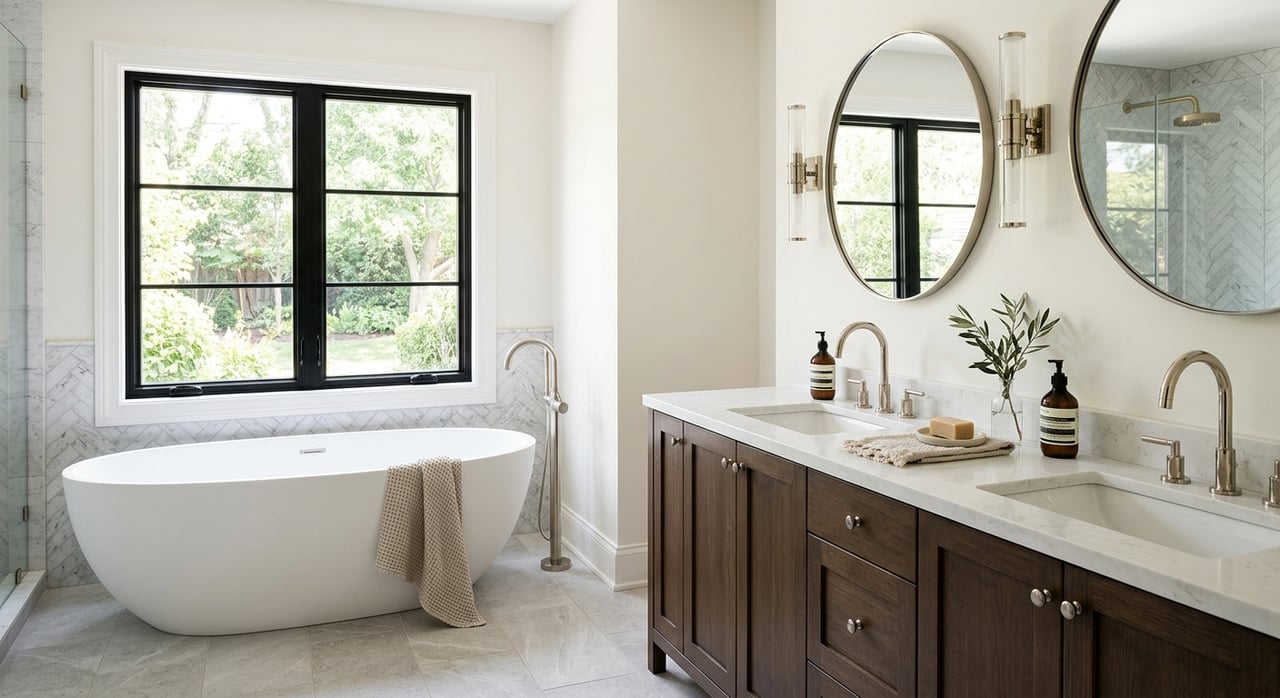
If your kitchen or bathroom looks tired, a modest refresh may help. But if your timeline is tight, your energy is usually better spent on overall condition, cleanliness, fresh paint, and strong first impressions.
After safety, disclosure, and repair items are under control, turn to the improvements buyers will notice right away. These updates are often the easiest way to make your home feel cared for without overcomplicating the process.
Common high-value cosmetic moves include:
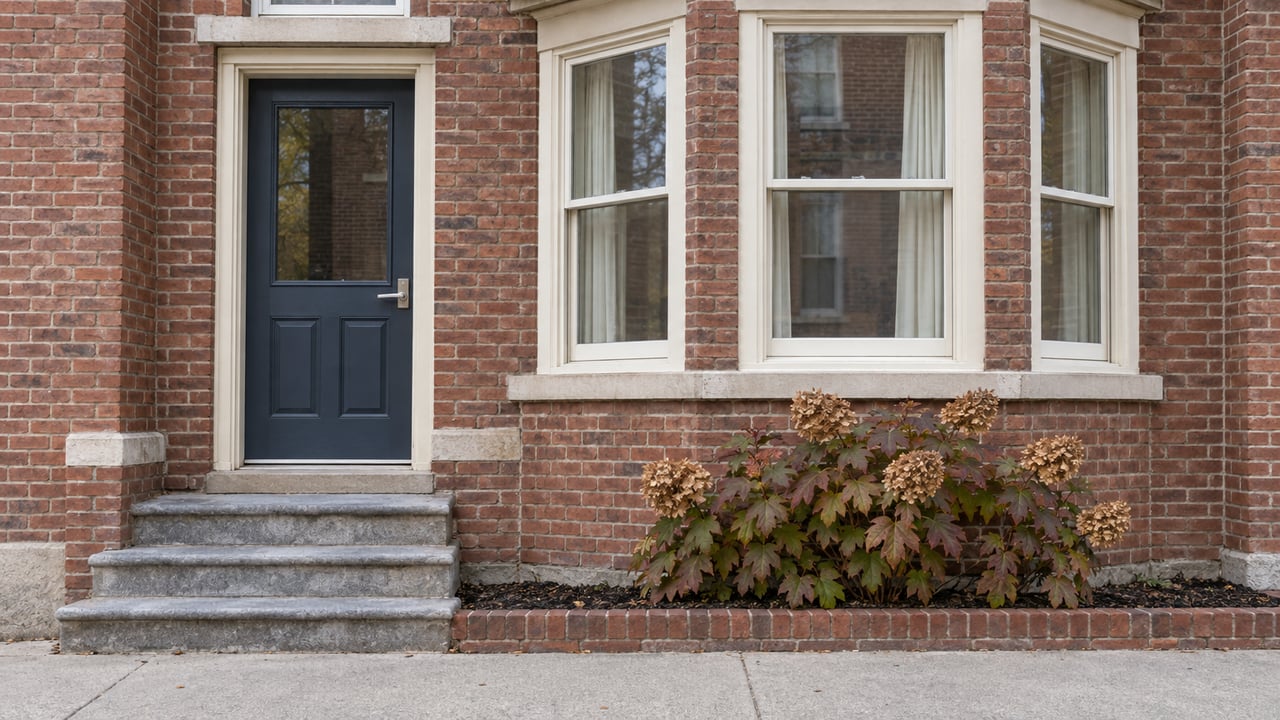
A steel front door, for example, showed full cost recovery in NAR’s 2025 Remodeling Impact Report. That does not mean every seller should replace a front door, but it does reinforce a bigger point: curb appeal and visible condition matter.
You do not need to stage every room to make a strong impression. In NAR’s 2025 staging survey, 83% of buyers’ agents said staging made it easier for buyers to visualize a property as a future home.
The rooms with the strongest staging value were the living room, primary bedroom, kitchen, and dining room. Those are also the spaces that often do the most work in photos, showings, and first impressions.
If you are trying to keep the process manageable, start there. Focus on clean lines, uncluttered surfaces, balanced furniture placement, and a bright, welcoming feel. For some homes, outdoor spaces also deserve attention if they are an important part of how the property lives.
One of the biggest causes of seller stress is unrealistic timing. For an occupied home, a practical planning window is often about 4 to 8 weeks before photos and listing. Older homes or homes needing remediation can take longer.
A simple timeline might look like this:
Gather maintenance records, repair receipts, warranties, and any information related to known issues. Walk the property with a clear eye and start building your disclosure and repair list.
Schedule the general home inspection and any likely follow-up testing, such as radon. Use the findings to decide what should be repaired, what should be monitored, and what should be reflected in pricing.
Complete the most important repairs first. Then move into cosmetic refreshes like painting, touchups, deep cleaning, and exterior cleanup.
Once the home is clean and repaired, arrange staging or styling in the key rooms. This is also the right time to prepare for professional photography and showing presentation.
Handle last touchups, simplify surfaces, refresh entry areas, and make sure the home is consistently ready for showings. This final stretch should feel like polishing, not scrambling.
If you are feeling overwhelmed, keep the process as simple as possible. The cleanest order is usually safety and disclosure first, repairs second, visible cosmetic updates third, and staging and photography last.
That sequence works because it keeps your attention on the issues that matter most to buyers and inspectors. It also helps you avoid spending money on presentation before you understand the home’s actual condition.
For many Main Line sellers, less stress does not come from doing less. It comes from doing the right things in the right order.
If you want a thoughtful, concierge-style plan for preparing your Main Line home for sale, Arielle Roemer can help you create a clear strategy that balances condition, presentation, timing, and market goals.

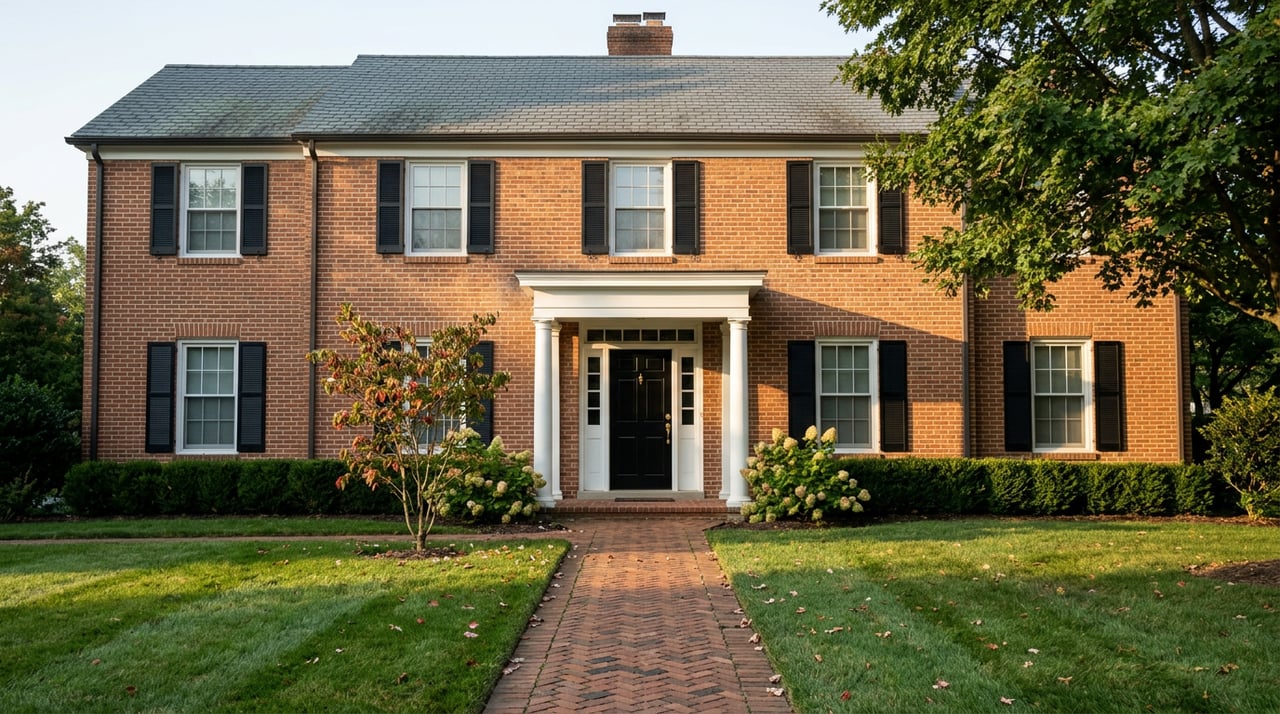

Listings
A timeless Penn Valley residence designed to be enjoyed for generations to come.
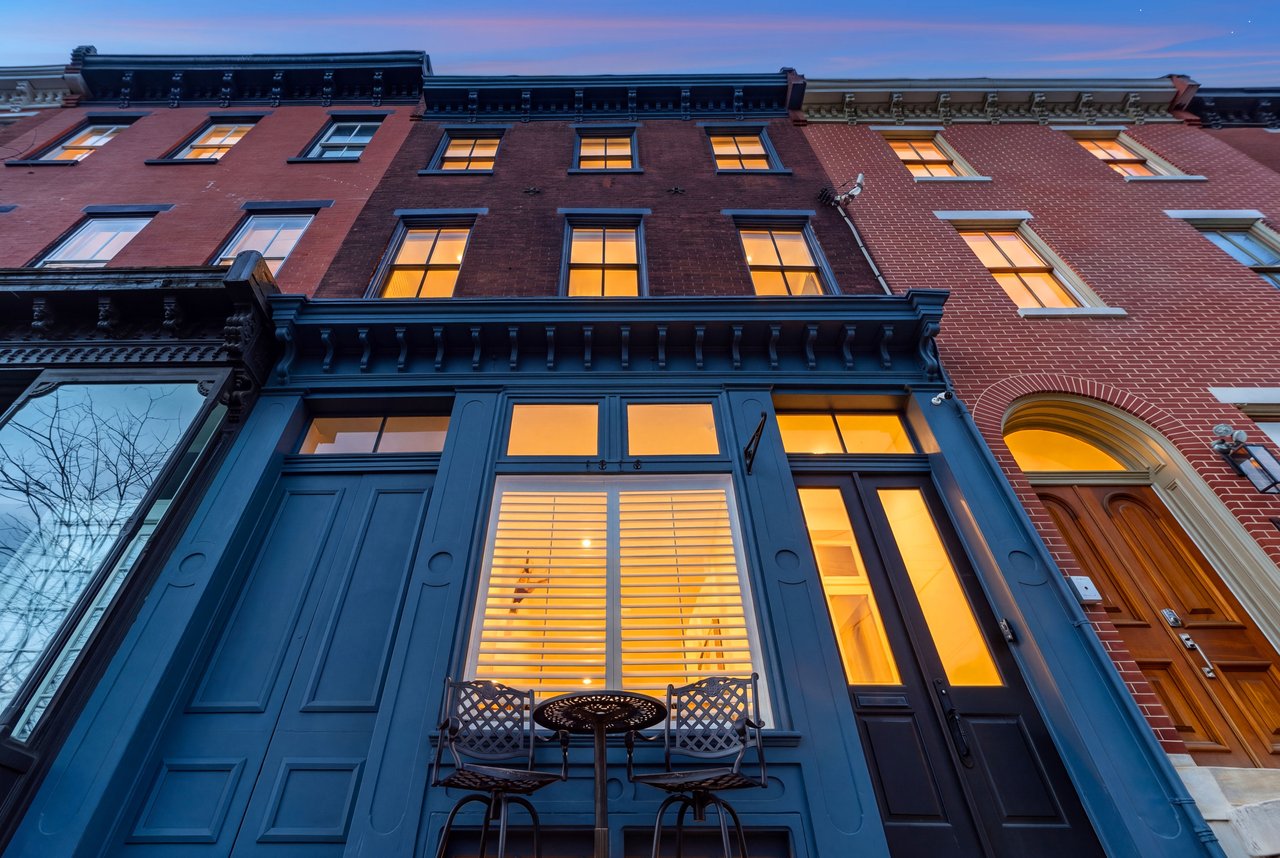
Listings
Story, Character, Scale & Location
Get assistance in determining current property value, crafting a competitive offer, writing and negotiating a contract, and much more. Contact me today.