
June 25, 2026
Are you ready for less upkeep without giving up the Main Line lifestyle you love? If you are living in a larger Bryn Mawr home that no longer fits the way you want to live, downsizing can feel both exciting and overwhelming. The good news is that Bryn Mawr offers a strong setting for this next chapter, with a walkable village core, SEPTA access, and a range of lower-maintenance housing options nearby. With the right plan, you can move from estate living to lock-and-leave with more clarity and less stress. Let’s dive in.
Bryn Mawr is more than a ZIP code. It functions as one of Lower Merion Township’s Main Line village centers, with a historic, pedestrian-oriented business district, a train station, colleges, and a hospital nearby. Lower Merion has also framed parts of the area as transit-oriented development, which supports a lifestyle built around convenience and connection.
For you as a downsizer, that matters. A lock-and-leave move usually works best when daily life becomes easier, not just smaller. In Bryn Mawr, errands, dining, appointments, and regional travel can be more manageable without the responsibilities that often come with a large property.
SEPTA service is another major advantage. Bryn Mawr connects to other Main Line stations and Center City Philadelphia, which can make it easier to stay mobile and flexible while owning a home that asks less of you.
A lock-and-leave home is not just a smaller house. It is a home that supports more freedom, less maintenance, and simpler day-to-day living. For many Bryn Mawr homeowners, that means trading extra square footage, unused rooms, and ongoing property demands for a home that feels easier to manage.
That shift is often emotional as much as practical. You may not be leaving behind a house you dislike. More often, you are choosing simplicity, access, and flexibility while staying close to the places and routines that still matter to you.
If you are thinking about selling, local market conditions should shape your timing and pricing strategy. As of spring 2026, Zillow placed Bryn Mawr’s home value index at $907,338, with 36 homes for sale and 22 new listings reported on April 30, 2026. Redfin reported a March 2026 median sale price of $759,000 and an average time to pending of about 30 days.
Those numbers are different because they measure different things, but together they tell an important story. Bryn Mawr remains an active market, yet property type, condition, and pricing still matter. If you are selling an estate-size home, careful preparation can make a meaningful difference.
One of the biggest downsizing mistakes is focusing only on the sale. In a market where homes may go pending in about 30 days, it helps to narrow your replacement-home search before your current property goes live. That can reduce the chance of making rushed decisions later.
Your next home search will usually be most productive if you focus on lower-maintenance options near village centers or station areas. In and around Bryn Mawr, that often means looking at:
Lower Merion’s community framework places Bryn Mawr within a broader network that includes Ardmore, Haverford, Narberth, Rosemont, Villanova, Wynnewood, and other Main Line areas. That gives you room to compare lifestyle fit, not just square footage.
Not every smaller home will feel simpler in practice. The right fit depends on how you want to live, travel, entertain, and manage your home over time.
A condo can be a strong option if your top priority is minimizing exterior upkeep and simplifying daily maintenance. Elevator buildings may also appeal if you want easier access and a more compact footprint.
This route can work well if you value proximity to village amenities and train access. It may also support a true lock-and-leave lifestyle if you travel often or spend time away from home.
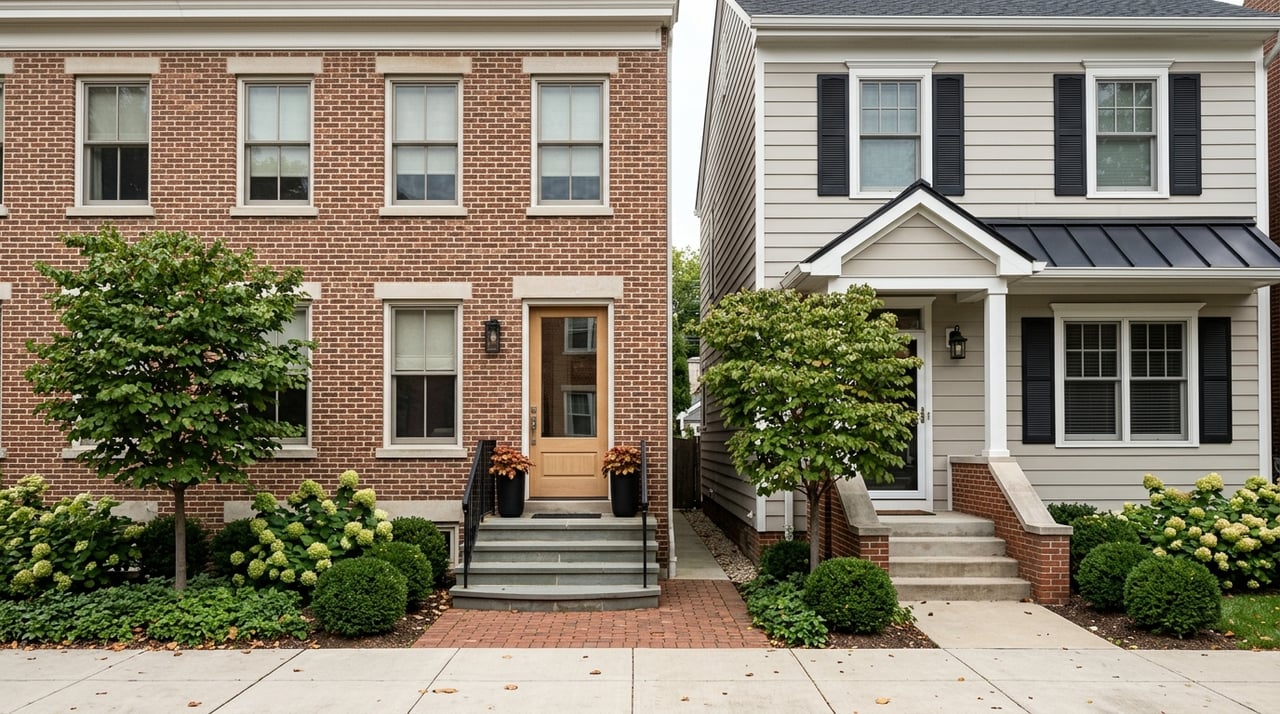
Townhouse-style homes can offer a middle ground. You may keep a bit more space, a more private entry, or a layout that feels closer to a traditional house while still reducing the burden of a large lot or estate-scale maintenance.
For some downsizers, this option feels like the easiest lifestyle transition. You are scaling down, but not necessarily changing everything about how you live.
A smaller detached home may suit you if you still want more privacy or prefer a house setting over shared-building living. This can be a good choice if you want less home to maintain while keeping a familiar ownership style.
The key is to be honest about what you truly use. If the goal is freedom, your next home should support that goal rather than recreate the same obligations in a different package.
When you are selling a larger home, preparation should happen in a clear order. The goal is not to overhaul everything. The goal is to make your home feel well cared for, functional, and easy for buyers to understand.
The first move is usually the most important one. According to NAR’s 2025 staging reporting, 91% of seller’s agents recommend decluttering, 88% recommend cleaning, and 77% recommend improving curb appeal.
That makes sense in an estate home, where years of ownership can add layers of furniture, collections, paperwork, and storage overflow. Before you spend money on updates, reduce volume and visual noise so buyers can better see the home itself.
A room-by-room approach works best:
NAR defines staging broadly as cleaning, decluttering, repairing, depersonalizing, and updating. You do not always need full-scale staging to improve presentation. In fact, NAR reported that 51% of sellers’ agents do not stage homes before listing and instead recommend that the seller declutter or address property faults.
That is especially relevant in Bryn Mawr estate properties. A clean, edited, neutral presentation often does more than an expensive styling effort that does not solve the basics.
Once clutter is reduced, visible repairs become easier to identify. In larger homes, deferred maintenance can spread across roofing, HVAC systems, plumbing, electrical systems, and exterior details. Small issues can add up quickly in a buyer’s mind.
Addressing the obvious items first can help your home feel more turnkey. It also supports stronger pricing and smoother negotiations later.
A pre-listing inspection can be especially helpful for a large or older home. The American Society of Home Inspectors says this gives sellers more time and control over repairs and pricing before the home goes on the market.
That added clarity can be valuable when you are juggling both a sale and a move. Instead of reacting to surprises during the buyer’s inspection period, you may be able to plan ahead with better information.
Cosmetic updates should be strategic, not automatic. In most cases, the most useful improvements are the ones that make the home feel clean, calm, and move-in ready.
That may include:
The point is not to over-improve. It is to support a polished presentation that aligns with what today’s buyers notice first.
Downsizing is easier when you stay ahead of the paperwork. In Pennsylvania, sellers are required to complete a seller property disclosure statement under 49 Pa. Code § 35.335a. In practical terms, you should be prepared to disclose known material defects.
That is one reason repair records, maintenance notes, and contractor receipts matter. If you start gathering them early, the listing process tends to feel more orderly and less rushed.
If your home was built before 1978, lead-based paint rules also need attention. Sellers of most pre-1978 homes must disclose known lead-based paint hazards, provide the required pamphlet, and allow a 10-day inspection period for buyers.
If you are planning cosmetic work before listing, lead-safe renovation practices also matter for older homes. This is another reason to plan ahead instead of making last-minute decisions.
A smooth downsizing move usually comes down to sequencing. If Bryn Mawr homes are going pending in about 30 days, you do not want your sale and your search operating on completely different timelines.
A practical approach often looks like this:
This kind of planning can help you avoid a temporary housing gap or a rushed second move. It also gives you more control during a transition that can otherwise feel emotional and fast-moving.
The most successful downsizing moves are not driven by loss. They are driven by alignment. If your current home asks for more time, energy, or upkeep than you want to give, moving to a lock-and-leave property can be a smart way to simplify without leaving the Main Line lifestyle behind.
In Bryn Mawr, that trade can be especially compelling. You can stay connected to a village-center setting, regional transit, and nearby Main Line communities while shifting into a home that supports the way you want to live now.
A thoughtful downsizing plan can protect both your finances and your peace of mind. If you want a tailored strategy for preparing your home, comparing replacement options, and timing both sides of the move, Arielle Roemer can help you navigate the process with a high-touch, data-informed approach.


Listings
The Final Penthouse Opportunity at The Ritz-Carlton Residences, Philadelphia
Get assistance in determining current property value, crafting a competitive offer, writing and negotiating a contract, and much more. Contact me today.