
June 4, 2026
If you want a place where you can grab coffee, catch the train, browse local shops, and still feel connected to a classic Main Line setting, Wayne deserves a close look. For many buyers, the appeal is not just the homes themselves. It is the ability to make more of daily life feel easy and close to home. In Wayne, that lifestyle is most visible around the compact downtown core. Let’s dive in.
Wayne is best understood as a Main Line town center anchored by Radnor Township and Wayne Station. SEPTA describes it as a shop-and-dine destination less than 20 miles from Center City, with the center of Wayne sitting one block north of Wayne Station on the Paoli/Thorndale Line. That setup gives you a clear focal point for daily errands, dining, and transit.
The walkable part of Wayne is compact, which is often what makes it useful in real life. Radnor Township defines the Wayne business district as the area bounded by Aberdeen Avenue to the east, Banbury Avenue to the west, Radnor Middle School to the south, and the rail lines to the north. In practical terms, many of the blocks around North Wayne Avenue, West Avenue, Lancaster Avenue, and the station are where walkable living feels most immediate.
Living near the center of Wayne can make ordinary routines feel more streamlined. You may be able to walk to a train, pick up a few things downtown, meet friends for dinner, or stop by the library without planning a full car trip. That does not mean you will never drive, but it can reduce how often you need to.
Wayne also offers a mix of uses that support a fuller day-to-day lifestyle. Along with restaurants and shops, you have civic and cultural destinations nearby, including Radnor Memorial Library at 114 West Wayne Avenue and Wayne Art Center at 413 Maplewood Avenue. Those places add substance to the neighborhood beyond retail alone.
For commuters and occasional rail riders, Wayne Station is a major asset. SEPTA says the station is on the Paoli/Thorndale Line, and the area is also served by Bus Route 106. If train access matters to you, proximity to the station can be an important part of your home search.
The Wayne Business Association also notes that the downtown business district is within walking distance of the station. That matters because true walkability is not just about sidewalks. It is about how closely your home, transit, and everyday destinations connect.
Even in a walkable area, car access remains part of life in Wayne. Radnor Township lists multiple parking kiosks in lots and on nearby streets, and the township opened a new West Avenue lot in 2025 with 108 spaces and direct sidewalk access to downtown. For residents and visitors alike, that parking supply helps support the district’s ease of use.
This is an important point for buyers. Walkable living in Wayne is not the same as car-free living for everyone. Instead, it often means having the option to walk for some errands and activities while still keeping the convenience of driving when needed.
One of Wayne’s strengths is that the housing pattern near downtown is layered rather than one-note. According to the Radnor Historical Society and Radnor Township’s historic-resource survey, the broader Wayne area includes North Wayne, South Wayne, and Downtown Wayne, with historic building types that range from large estates and suburban properties to modest homes and historic commercial buildings. That mix gives buyers more than one path into the neighborhood.
If you are looking for a traditional single-family home with character, the surrounding residential fabric may appeal to you. If you want lower-maintenance living closer to the center, there are signs that downtown and near-transit housing options continue to matter in local planning. Radnor Township’s comprehensive plan update specifically points to downtown Wayne as an opportunity to identify housing near transit and create walkable, mixed-use neighborhoods that reduce reliance on a personal automobile.
For buyers who want convenience, condos and infill residential options are part of the conversation in Wayne. The township has said that 60 West Avenue will become a 45-unit residential project with underground parking. The historic survey also lists Davids Park Condominiums at 500 East Lancaster Avenue.
These details support what many buyers are already looking for: a way to enjoy Wayne’s location and downtown access without taking on the upkeep of a larger property. If your priorities include lock-and-leave simplicity, less exterior maintenance, or being closer to the station, this segment of the market is worth watching.
Just outside the core, Wayne’s older residential areas contribute to the neighborhood’s lasting appeal. Historic districts such as North Wayne and South Wayne reflect a broader range of home styles and lot patterns than you might find in a purely new-build community. That can make your search feel more nuanced, especially if you are balancing architecture, walkability, and proximity to downtown.
For many buyers, the sweet spot is a home that offers a residential setting while still keeping downtown Wayne within reach. In a compact town center like this, even a modest shift in location can change how often you walk versus drive. That is why block-by-block guidance matters.
Walkability only feels valuable if there are places you actually want to go. In Wayne, the downtown business district offers a broad mix of shops, services, and dining options that support everyday life. The Wayne Business Association says there are more than a dozen restaurants and bars along Restaurant Row.
Radnor Township’s shopping-and-dining map also shows a mix of boutiques, bakeries, cafes, services, and restaurants. Named destinations include Christopher’s, Great American Pub, Margaret Kuo’s, Teresa’s Café, and the Wayne Hotel. For buyers comparing suburbs, that kind of variety can help Wayne feel more active and connected than a purely residential area.
A walkable lifestyle is not only about errands and transit. It is also about having places to move, reset, and spend time outdoors. Wayne offers that balance through nearby parks and trail access.
The Radnor Trail is a 2.4-mile multi-use trail that runs from Radnor-Chester Road to Sugartown Road and supports walking, jogging, hiking, biking, and rollerblading. Entrances include West Wayne Avenue and Conestoga Road, making it a meaningful amenity for residents who want outdoor access near downtown.
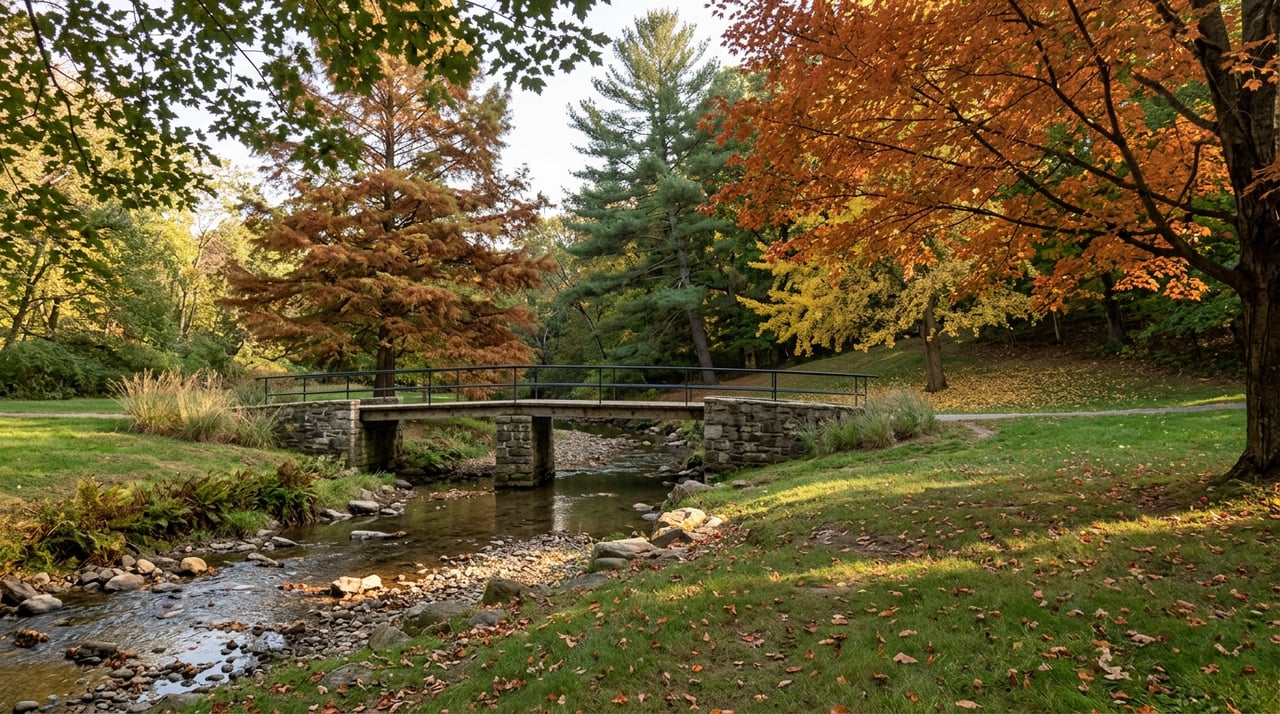
Radnor Township also lists nearby green spaces such as Encke Park at 305 Iven Avenue and North Wayne Park at North Wayne Avenue and Beechtree Avenue. If you want a neighborhood where you can mix daily convenience with outdoor time, these amenities add depth to Wayne’s appeal.
Wayne can be a strong match if you value a compact downtown, train access, and the option to walk to at least part of your routine. It may also appeal to buyers who want housing choices, from older homes in established residential areas to lower-maintenance options closer to the center. The key is understanding which part of Wayne best fits your version of convenience.
If you are comparing Main Line communities, Wayne stands out for how clearly its town center is defined. The station, the business district, the cultural anchors, and the nearby green space all work together in a relatively tight footprint. That makes it easier to picture what daily life could actually feel like once you live there.
For buyers who care about both lifestyle and logistics, that combination is powerful. And if you want help weighing condo living against a traditional home, or narrowing in on the blocks that offer the best balance of walkability and privacy, working with a local advisor can make the search much more efficient.
If you are exploring Wayne or other Main Line neighborhoods, Arielle Roemer offers thoughtful, high-touch guidance to help you find the right fit for how you want to live.
Listings
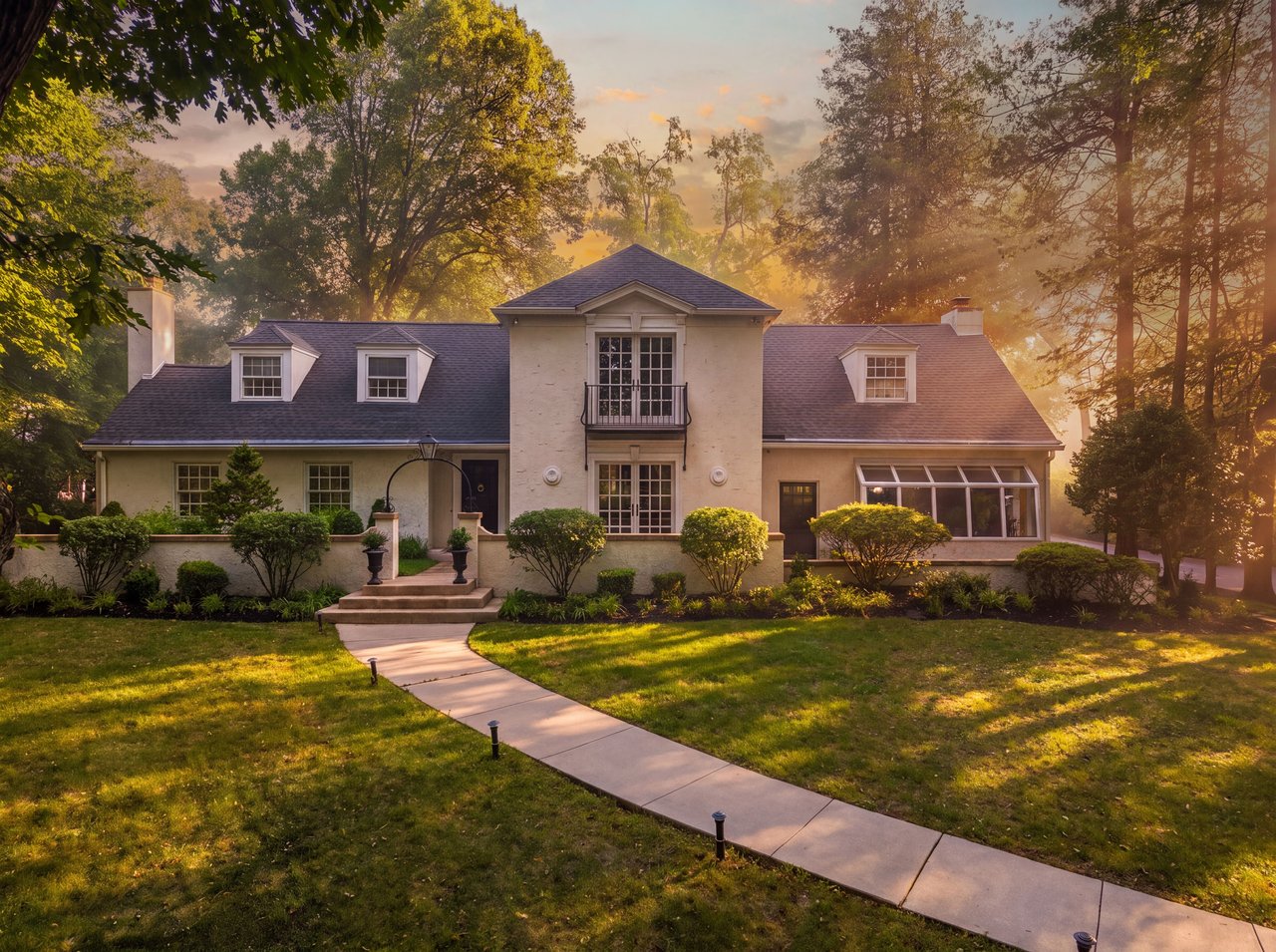
A timeless Penn Valley residence designed to be enjoyed for generations to come.
Listings
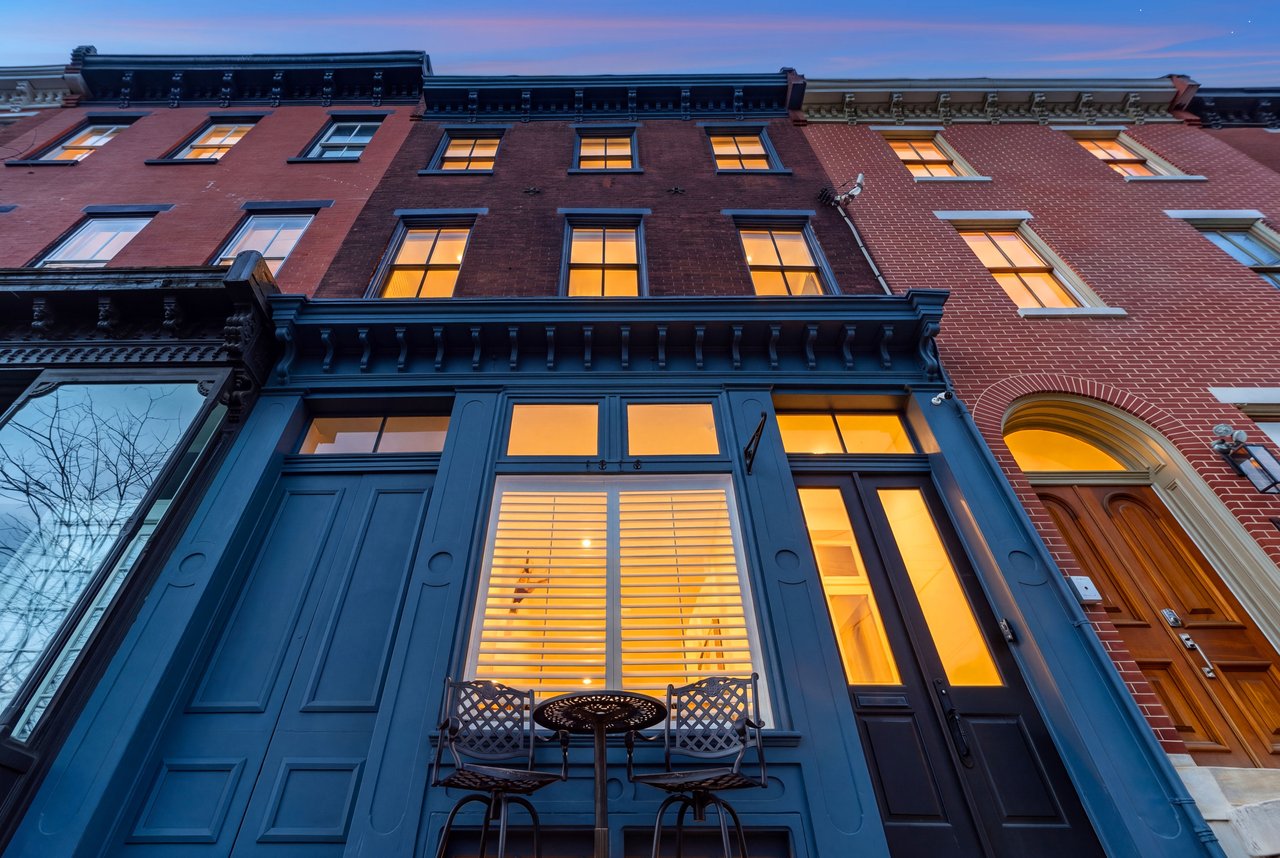
Story, Character, Scale & Location
Get assistance in determining current property value, crafting a competitive offer, writing and negotiating a contract, and much more. Contact me today.