May 21, 2026
Trying to choose between a sleek new build and a classic rowhome in Fishtown? You are not alone. This is one of the most common questions buyers face in a neighborhood where both styles can make a strong case. The good news is that the right answer usually becomes clearer once you look past the finish photos and focus on how you want to live, what you want to maintain, and how a specific property compares to others nearby. Let’s dive in.
Fishtown is not a market where one property type automatically wins. Recent market snapshots point to strong demand and continued price growth, with homes moving relatively quickly and values rising year over year across major platforms.
That matters because in this kind of market, age alone is not the main value driver. In many cases, condition, deferred maintenance, and how much work or cash a home may need after closing can matter more than whether it is brand-new or 100 years old.
If you are drawn to new construction, you are probably looking for simplicity. A new home often appeals to buyers who want a more turnkey move, fewer near-term repairs, and systems that start out more predictable.
In Philadelphia, new construction for one- or two-family homes requires zoning approval and a building permit. The city’s permit process also calls for energy-code compliance documents and, in some cases, flood protection forms. That does not guarantee perfect quality, but it does mean the home is reviewed against current code requirements during the approval process.
For you as a buyer, that often translates into a home that starts closer to today’s standards for insulation, windows, and air sealing. If convenience and lower near-term maintenance are high on your list, a new build may feel like the easier fit.
A polished kitchen and fresh finishes should never be the end of your review. With new construction, it is smart to ask detailed questions about what is behind the walls and whether the project is fully wrapped up.
Focus on these items during showings and due diligence:
Philadelphia is a rowhouse city, and that identity is part of what draws many buyers in the first place. The city’s Rowhouse Manual describes rowhouses as narrow homes attached on both sides and notes their long history as a space-efficient, cost-effective housing type in a dense urban setting.
In practical terms, a historic rowhome often gives you something a new build cannot fully recreate. You may find original brick, older millwork, a familiar street rhythm, and a sense of architectural continuity that feels deeply tied to Philadelphia.
That said, charm and character usually come with more responsibility. The same city guidance notes that many rowhouse problems begin on the exterior, which means regular attention to masonry, roofs, and other outside systems matters.
With an older home, your questions should go beyond cosmetics. Fresh paint can look great, but the more important story is often in the roof, masonry, plumbing, and water history.
Ask about these items early:
If you are considering a rowhome, lead diligence deserves special attention. Philadelphia Water Department says the city has never had lead water mains, but the service line to a property may contain lead, and it estimates that about 1 in 20 Philadelphia properties may have a lead service line.
Older homes may also contain lead paint and lead pipes. If you have concerns about water quality, Philadelphia Water Department offers free water quality testing for customers.
This does not mean every older rowhome is a problem. It simply means that a careful review of disclosures, service-line information, and inspection findings is part of smart buying in Philadelphia.
Not every older home comes with historic restrictions, but some do. If a property is on the Philadelphia Register of Historic Places or located within a historic district, exterior changes generally need approval from the Philadelphia Historical Commission.
That is especially important if you are already imagining new windows, a roof change, or a major facade update. On the other hand, standard maintenance such as scraping and painting wood trim, cleaning gutters, and replacing clear window glass generally does not require project review.
If the home is not historically designated, some routine replacements in one- or two-family homes, including doors and windows, often do not require a building permit. The key is to verify the property’s status before making plans or budgeting renovations.
The simplest way to decide is to start with your priorities, not the property label. If you want convenience, lower near-term maintenance, and a more predictable setup for major systems, new construction may be the better match.
If you care most about character, original details, and the experience of owning a classic Philadelphia home, a historic rowhome may be worth the added upkeep. Neither choice is universally better. The better choice is the one that fits your budget, timeline, and comfort level with maintenance.
If appreciation is part of your thinking, avoid reducing the decision to new versus old. In Fishtown’s current market, broad price growth suggests the stronger opportunity often comes down to the specific property, block, and condition rather than age by itself.
A beautifully maintained rowhome on a strong block may outperform a weaker new build. A well-executed new construction home with solid specs and clean final signoffs may feel like the more efficient buy than an older property with hidden repair needs. The details matter more than the category.
Your purchase decision is not just about the sale price. Philadelphia’s real estate tax rate is 1.3998% of assessed value, and the Homestead Exemption reduces the taxable portion of an owner-occupied primary residence by $100,000, which saves most homeowners about $1,399 per year.
That means your monthly cost picture may shift depending on the property’s assessment and whether you qualify for the exemption. When comparing homes, it helps to look at the full carrying cost, not just the mortgage payment.
Flood risk should never be assumed based on property style alone. The city says flood losses are not covered by a standard homeowners policy, and buyers in the FEMA-mapped floodplain with a federally backed mortgage must carry flood insurance.
Philadelphia also participates in FEMA’s Community Rating System, which gives residents a 15% discount on National Flood Insurance Program coverage. Whether you are considering a new build or a rowhome, flood risk is an address-specific question that should be checked during due diligence.
No matter which style you prefer, a few questions belong in every conversation:
Then add property-specific questions.
For new construction, ask about final signoff, waterproofing, and building-envelope specs. For older rowhomes, ask about historic designation, exterior maintenance history, and what changes may require approval.
In Fishtown, both new construction and historic rowhomes can be smart purchases. The right move depends less on which category sounds better and more on how the home aligns with your lifestyle, maintenance tolerance, and financial plan.
If you want help comparing a specific new build against a classic rowhome, understanding the tradeoffs block by block, or evaluating carrying costs and condition with a local lens, Arielle Roemer can help you make a more confident decision.
Just Sold
Three Years of Preparation. Two Days on the Market.
Listings
A timeless Penn Valley residence designed to be enjoyed for generations to come.
Listings
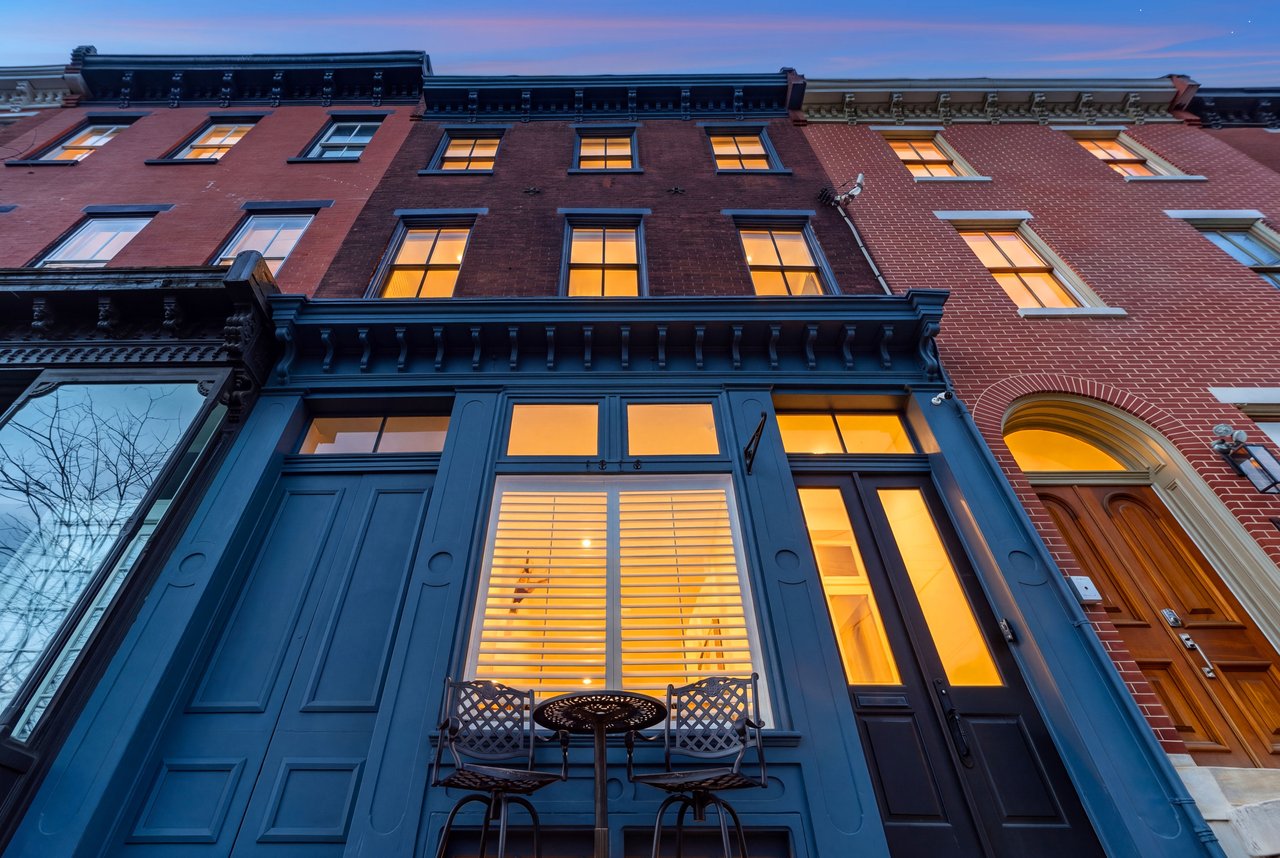
Story, Character, Scale & Location
Get assistance in determining current property value, crafting a competitive offer, writing and negotiating a contract, and much more. Contact me today.