
May 7, 2026
Choosing between a condo and a rowhouse in Fitler Square is less about which option is “better” and more about how you want to live every day. If you love this pocket of Philadelphia for its quiet residential blocks, walkability, and easy access to the Schuylkill River Trail, the right home type can shape your routine just as much as the neighborhood itself. This guide will help you compare convenience, privacy, maintenance, outdoor space, and long-term costs so you can make a smart, confident decision. Let’s dive in.
Fitler Square offers a very specific kind of Center City lifestyle. The half-acre park at 23rd and Pine anchors the neighborhood, and the area stays connected to the city while still feeling low-rise and residential. Seasonal events, a year-round farmers market, and nearby access to larger commercial corridors all add to the appeal.
That setting makes the condo-versus-rowhouse decision especially relevant here. In a neighborhood where both home styles can feel equally attractive, the real question becomes how much convenience, control, and upkeep you want in your daily life. As of April 2026, Fitler Square had 14 homes for sale, a median listing price of $822,000, a median rent of $2,407, and a balanced market.
In simple terms, condos usually offer more shared services and more predictable monthly structure, while rowhouses usually offer more autonomy and a more hands-on ownership experience. Neither path is automatically easier or smarter. The better fit depends on how you budget, how much privacy you want, and how involved you want to be with the property itself.
For many buyers in Fitler Square, this comes down to lifestyle first and floor plan second. A beautiful home can still feel wrong if the ownership model does not match your habits, schedule, or tolerance for surprise repairs.
With a condo, the building association is generally responsible for maintaining, repairing, and replacing common elements under Pennsylvania condominium law. That usually means you are not personally handling shared areas, exterior systems, or broader building upkeep in the same way a rowhouse owner would. In practice, many buyers find that this creates a more managed ownership experience.
That said, “low maintenance” does not mean “no homework.” Condo associations assess common expenses using an annual budget, and they may also impose charges related to common elements, late payments, or capital improvements. Before you buy, you need to review the budget, reserves, and any planned projects carefully.
A rowhouse gives you more control, but it also puts more responsibility directly on your shoulders. Philadelphia’s rowhouse guidance notes that most maintenance issues begin on the exterior, which means owners need to stay ahead of roof condition, water intrusion, gutters, masonry, windows, steps, plumbing, and HVAC.
The city also places responsibility on owners for sidewalks, alleys, driveways, and retaining walls, which are considered private property that must be kept safe and sanitary. So while a rowhouse may not come with monthly association dues, it often comes with a longer maintenance checklist and more direct decision-making.
A condo often feels more communal and more managed. You may share circulation areas, elevators, entrances, and building amenities with other residents. For some buyers, that structure feels streamlined and easy.
If you travel often, prefer lock-and-leave convenience, or do not want to think much about exterior building responsibilities, that setup can be very appealing. It can also suit buyers who want a polished urban lifestyle with more service built into the ownership experience.
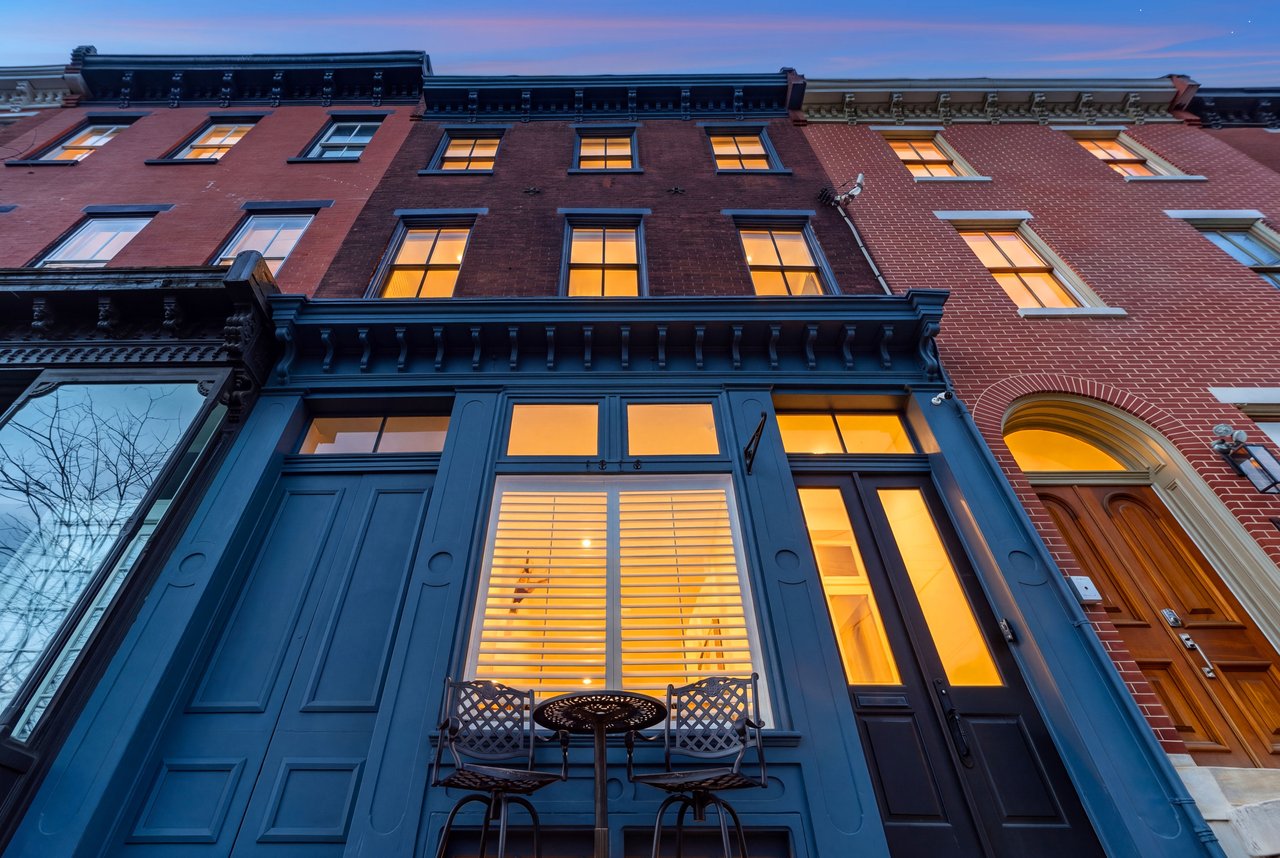
A rowhouse often feels more like a traditional house, even in a dense urban setting. You usually have your own private front door and fewer shared interior spaces, though you still have attached side walls typical of city homes.
That difference can have a big effect on how home feels day to day. If you value independence, direct entry, and a stronger sense of personal control over your space, a rowhouse may align better with your lifestyle.
Outdoor space is one of the clearest differences between condos and rowhouses in Fitler Square. The key is being honest with yourself about how you will use it, not just how it looks in photos.
In condos, outdoor space is often offered as a balcony, terrace, or shared landscaped area rather than a private yard. One Riverside is a strong local example, with private balconies plus shared outdoor features like a landscaped lawn, rain garden, terrace, outdoor kitchen, and fire pit.
For buyers who want some fresh air without taking on yard maintenance, this can be an attractive middle ground. You get access to outdoor living, but much of the upkeep is handled through the shared ownership structure.
Rowhouses may offer a small rear yard or a roof deck. In Philadelphia, roof decks are a major amenity, especially when yard space is limited. They can add meaningful outdoor living in a compact footprint.
But they also come with extra considerations. The city notes that roof decks require zoning and building permits, and the deck itself does not waterproof the roof. If outdoor space is a top priority, it is worth looking beyond the feature itself and asking what maintenance, permitting, or future work may come with it.
If amenities matter to you, condos usually have the edge. Buildings can offer elevators, valet parking, pools, fitness rooms, guest suites, and other shared features that rowhouses typically do not provide.
One Riverside, for example, includes a private motor court, below-ground valet parking, an indoor pool, a fitness center, board and club rooms, and a guest suite. Those features can make daily life easier and more comfortable, especially if convenience and service are high on your list.
A rowhouse usually gives you a different kind of value. Instead of paying for service-rich shared amenities, you may be paying for more independence, more private control, and a home that feels architecturally rooted in the neighborhood’s historic fabric.
Fitler Square sits within Philadelphia’s Rittenhouse-Fitler historic district, and that can affect both condos and rowhouses, especially older properties. If you want to make visible exterior changes, the Philadelphia Historical Commission may need to approve the work before a permit application can move forward through Licenses and Inspections.
Most reviews concern exterior features such as facades, roofs, and other visible elements. For buyers considering window changes, masonry work, roof changes, or deck-related improvements, this is an important part of due diligence. In short, if you want maximum freedom to change a home’s exterior appearance, understand that historic district review may shape that process.
Philadelphia’s current Real Estate Tax rate is 1.3998% of assessed value, and the bill is due March 31 each year. The city also offers homeowner relief programs, which may matter if you are budgeting carefully or planning around fixed monthly expenses.
Beyond taxes, the real cost difference often comes down to how expenses show up. In a condo, your monthly carrying costs typically combine your mortgage, taxes, insurance, and association dues, with association funding supporting common-element maintenance through its annual budget.
With a rowhouse, monthly costs can look lower at first because there may be no required HOA. But that lower monthly number can be misleading if you are not setting money aside for roof work, masonry, gutters, windows, sidewalk repairs, or retaining wall issues. In many cases, the question is not whether you will pay for upkeep, but whether you would rather pay steadily through dues or unpredictably through repairs.
Some buyers assume a rowhouse will always cost more to heat and cool, but the picture is more nuanced. Philadelphia’s rowhouse guidance notes that shared party walls can reduce heat loss, which may help efficiency in some homes.
At the same time, many older rowhouses were built with minimal insulation. That means utility costs can vary based on the home’s age, updates, insulation quality, systems, and square footage. Whether you are buying a condo or a rowhouse, it is smart to look closely at condition and retrofit quality rather than making assumptions based on property type alone.
Before choosing a condo or rowhouse in Fitler Square, ask yourself:
In Fitler Square, condos often buy convenience and amenity density, while rowhouses often buy autonomy, character, and a more hands-on style of ownership. Because the neighborhood is already well-established and highly livable, your decision is often less about location quality and more about how you want your home to function day after day.
If you want help weighing the real-world tradeoffs between a condo and a rowhouse in Fitler Square, Arielle Roemer can help you compare options with clear advice, local perspective, and a tailored strategy for your next move.


Listings
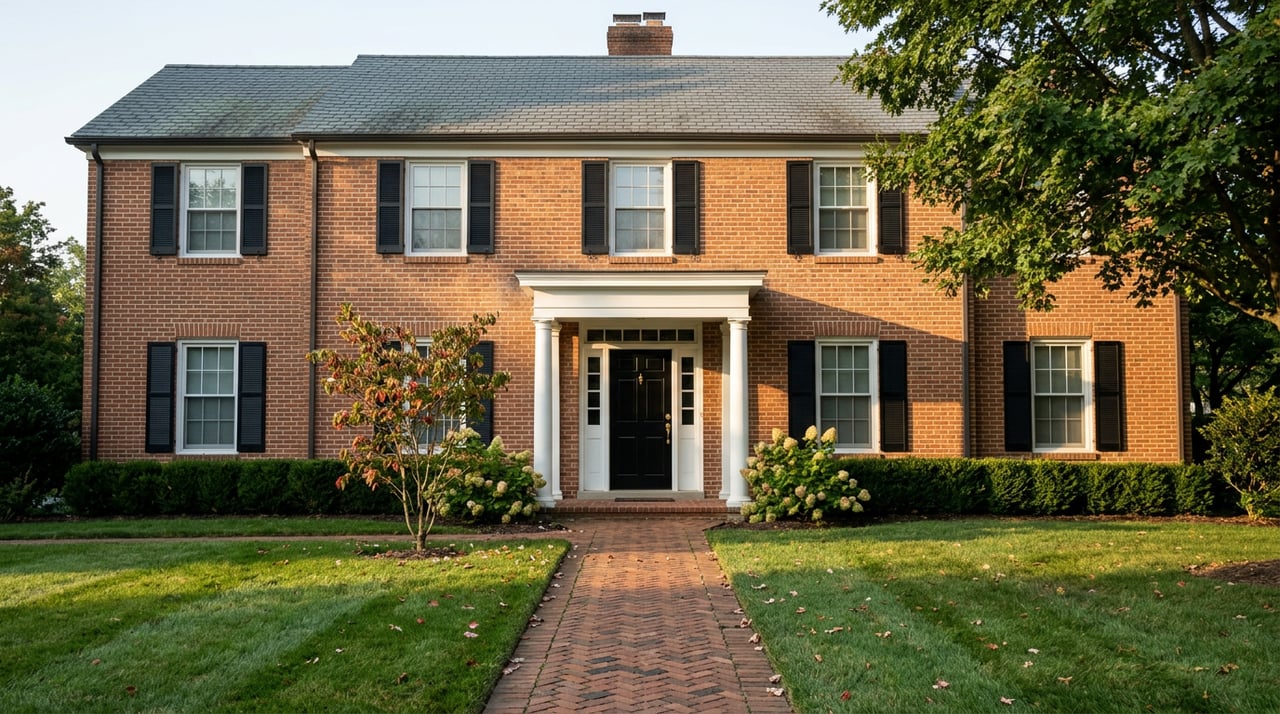
A timeless Penn Valley residence designed to be enjoyed for generations to come.
Listings
Story, Character, Scale & Location
Get assistance in determining current property value, crafting a competitive offer, writing and negotiating a contract, and much more. Contact me today.