
May 14, 2026
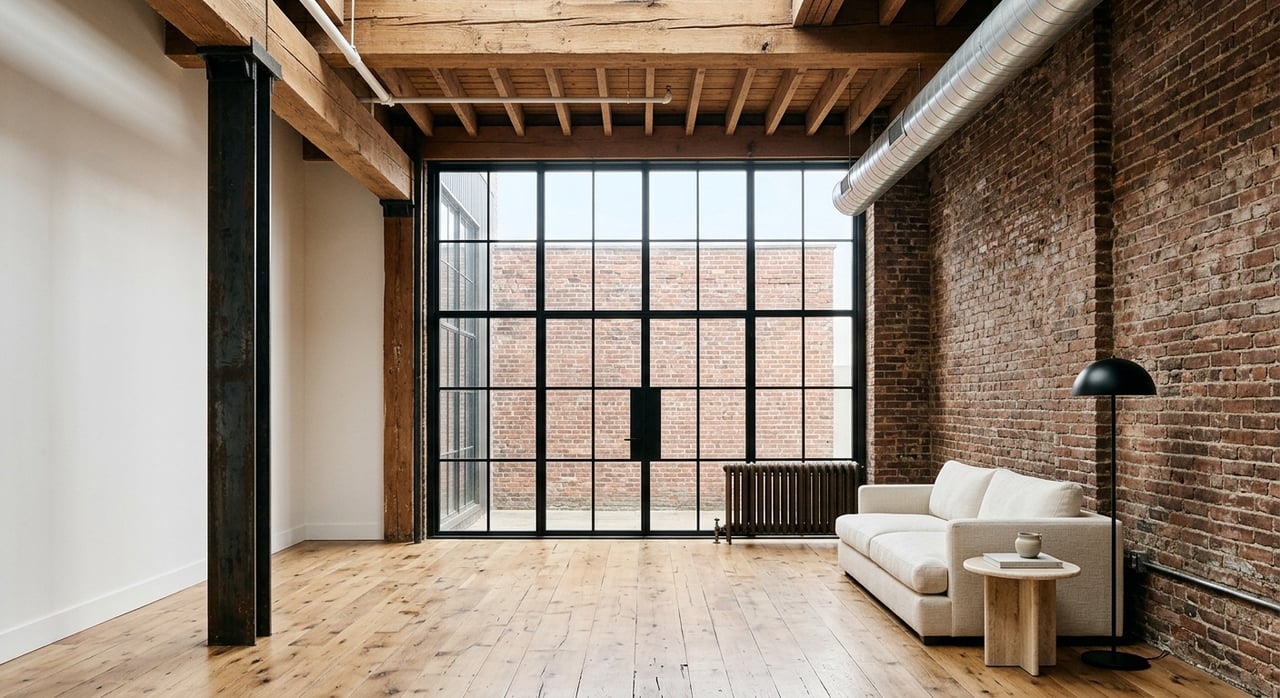
If you are drawn to loft living in Old City, you are probably looking for more than square footage. You want character, volume, and that hard-to-copy blend of historic architecture and modern convenience. The good news is that Old City can offer exactly that, but the right loft depends on details that are easy to miss at first showing. This guide will help you look past the exposed brick and high ceilings so you can evaluate the building, the paperwork, and the long-term fit with confidence. Let’s dive in.
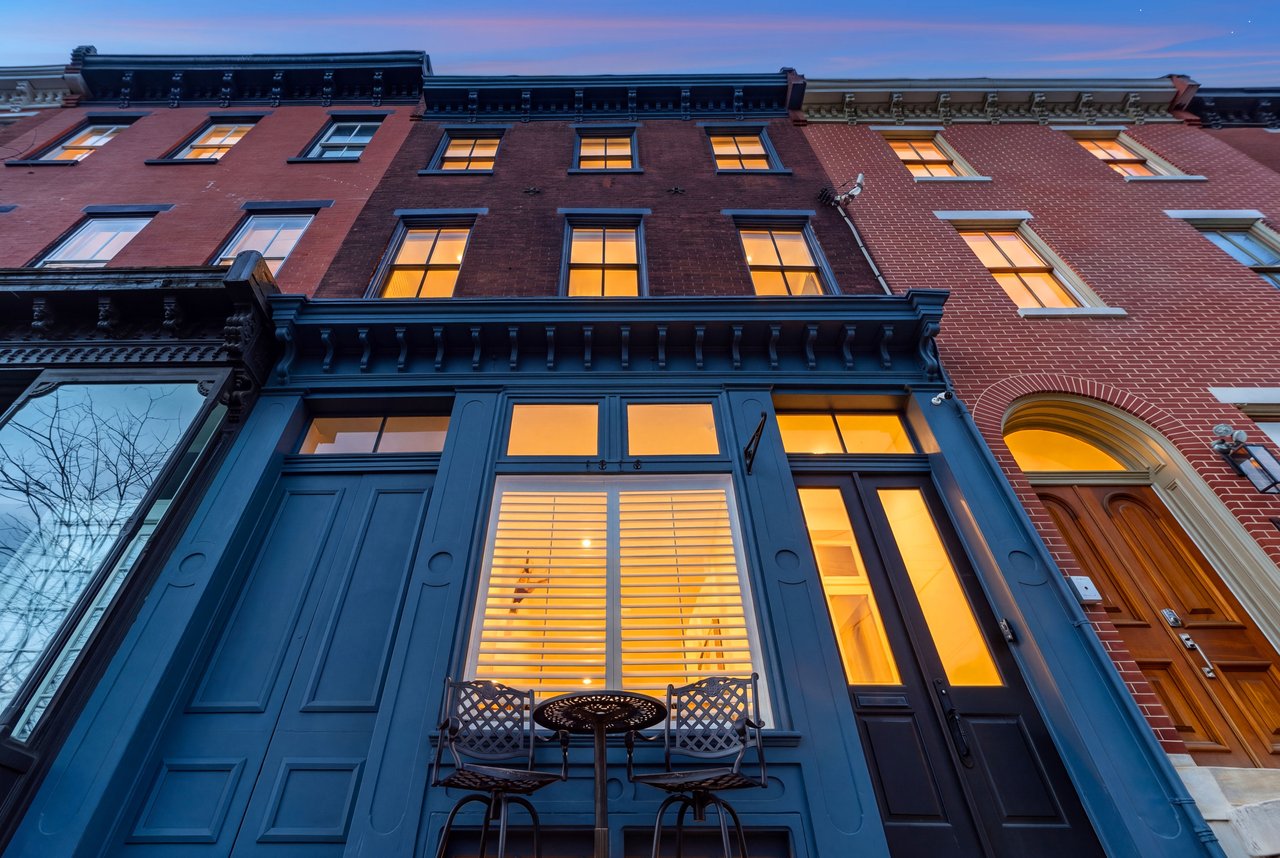
Old City is not a neighborhood of one-size-fits-all condo buildings. Its historic district includes roughly 800 buildings and structures from a long period of development stretching from 1676 to 1929. That mix includes civic, residential, commercial, industrial, and maritime architecture, along with brick, stone, and cast-iron loft buildings, warehouses, and former manufactories.
For you as a buyer, that history matters in practical ways. Many Old City lofts are adaptive-reuse homes created from older industrial or commercial buildings, not purpose-built modern condominiums. That often means more variation from one building to the next in layout, window placement, ceiling height, and renovation quality.
That variation is part of the appeal, but it also raises the stakes on due diligence. Two lofts with a similar look online can perform very differently in daily life depending on the building conversion, maintenance history, and association management. In Old City, the building is often just as important as the unit itself.
A beautiful kitchen or dramatic brick wall can grab your attention fast. Still, an Old City loft showing should focus just as much on how the space functions day to day. Your goal is to understand how the home feels, how the building operates, and what future costs or limits might come with ownership.
Natural light can change the entire feel of a loft. Pay attention to how much daylight actually reaches the main living area, not just the windows themselves. In older buildings, deep floor plates and unique window patterns can create impressive architecture while still leaving parts of the home darker than expected.
If possible, visit at different times of day. A loft that feels bright in a midday showing may feel very different in the morning or evening. Window orientation matters, especially in buildings with narrow exposures or interior-facing layouts.
Old City has a lively mix of residences, restaurants, bars, galleries, and recurring First Friday activity. That does not mean every loft is noisy, but it does mean sound can vary a lot depending on the block, floor, and unit orientation.
During your showing, pause and listen with the windows closed and then open. If the unit faces a commercial corridor, alley, or active venue, try to visit at more than one time of day and on more than one day of the week. A quiet weekday afternoon may not tell you much about a Friday night.
Because many Old City loft buildings are older and some units are near grade or adjacent to lower levels, moisture deserves close attention. Look around lower-level walls, ceilings, and window openings for staining, patching, or signs of prior water intrusion. These details do not always mean there is an active problem, but they should prompt more questions.
Old City buyers should also ask about drainage, sump pumps, and any history of basement backup or dampness. Philadelphia recommends checking floodplain information using city and FEMA mapping tools, which is especially relevant for lower-floor and basement-adjacent spaces.
In a converted loft building, charm does not replace infrastructure. Ask when the HVAC, plumbing, electrical, elevators, boilers, roof, and water-heating equipment were last updated. In some buildings, renovations focused heavily on finishes while major systems may now be aging.
If the building was converted more recently or heavily renovated, it is smart to ask whether an architect’s or engineer’s report supports the structural integrity of the project and the condition of major components. This can be especially useful when a space looks polished but the building’s mechanical story is less clear.
Loft living often works best when the practical pieces are just as strong as the design. Ask whether the building has an elevator, what storage comes with the unit, whether parking is deeded or assigned, and whether roof space or common areas are included in any way.
These details affect convenience, value, and resale. In a neighborhood where building layouts can vary dramatically, you do not want to assume those basics are standard.
When you tour an Old City loft, keep this short checklist in mind:
One of the biggest sources of confusion in Old City is that buyers may be dealing with two separate layers of oversight. A building can have condo or association rules, and it may also be subject to historic-preservation review. Those are not the same thing.
If a property is listed on the Philadelphia Register of Historic Places, the Philadelphia Historical Commission must approve certain changes through project or design review. According to the city, that review usually concerns exterior items such as facades, roofs, windows, doors, exterior lighting, masonry work, visible wiring, and mechanical equipment.
Interior work generally does not require review unless the interior itself is designated. That distinction matters if you are buying a loft with plans to replace windows, add exterior equipment, or make visible exterior changes later on.
Old City District is a Registered Community Organization, which means it can comment on zoning applications for projects seeking variances or special exceptions after they are filed. Its design guide is not a regulation, but it reflects the district’s preferred approach to development and renovation.
For you, the main takeaway is simple. If future plans involve visible exterior changes, it is worth understanding the approval path before you buy, not after.
In Pennsylvania, condo due diligence is not just about a quick look at monthly fees. State law requires a seller to provide a resale package that includes the declaration, bylaws, rules and regulations, and a certificate covering key financial and legal details.
That certificate includes monthly common expenses, unpaid assessments, proposed capital expenditures, reserve amounts, recent financial statements, the current budget, insurance coverage, pending suits, and other material information. The association must provide the certificate within ten days of request, and the buyer has important rights tied to when that certificate is delivered.
This is one reason a low condo fee should never be the end of the conversation. Fees help support maintenance, insurance, and reserves. If a building has weak reserves, deferred maintenance, unresolved repairs, or large assessments ahead, the real monthly cost of ownership may be higher than it first appears.
Old City’s market signals suggest an active neighborhood where buyers may have some room to negotiate. In spring 2026 snapshots, Realtor.com reported a median listing price of $509,450, 53 median days on market, and 76 active listings, while Redfin reported a median sale price of $465,000, 107 median days on market, and homes selling about 3% below list on average. Those figures use different methods and timeframes, so they are best read together as a general sign of a market that is moving, but not in a frenzy.
For resale, the strongest lofts tend to combine character with solid building management. A striking unit can still become harder to finance or sell if the association has deferred maintenance, inadequate reserves, litigation, or major unresolved repairs. In other words, the most photogenic loft is not always the strongest long-term buy.
Old City loft purchases often benefit from expert review. The goal is not to complicate your search. It is to make sure the details match the value.
If you notice sloping floors, repeated cracking, moisture patterns, or signs of a major conversion with limited documentation, a structural engineer or highly experienced inspector can add real clarity. This is especially helpful in adaptive-reuse buildings where older construction and newer work meet.
If you are already thinking about changing windows, masonry, roofing, exterior lights, or visible mechanical equipment, check with Historical Commission staff or consult a historic-preservation architect early. It is much easier to understand possible limits before closing than after you own the property.
If the resale certificate shows low reserves, pending litigation, major special assessments, leasehold complications, or restrictive alteration or rental rules, a condo attorney can help you understand the risk. In Pennsylvania, those documents are central to the transaction, not side paperwork.
If the unit is on a lower floor, close to the riverfront, or in a building with any reported seepage or basement backup, confirm flood map status through city resources and ask detailed questions about water management. A little extra homework here can prevent expensive surprises later.
The best Old City loft purchase is usually not the one with the flashiest first impression. It is the one where the architecture, building condition, association health, and day-to-day livability all line up.
When you evaluate a loft, think in layers. Start with the feel of the space, then move to light, noise, systems, rules, reserves, and future flexibility. That approach gives you a much clearer picture of whether a loft is just beautiful, or truly a smart buy.
If you are considering loft living in Old City, working with someone who understands Philadelphia’s historic housing stock, condo due diligence, and building-by-building differences can make the process much smoother. For tailored guidance on Old City lofts and other Center City opportunities, connect with Arielle Roemer.


Listings
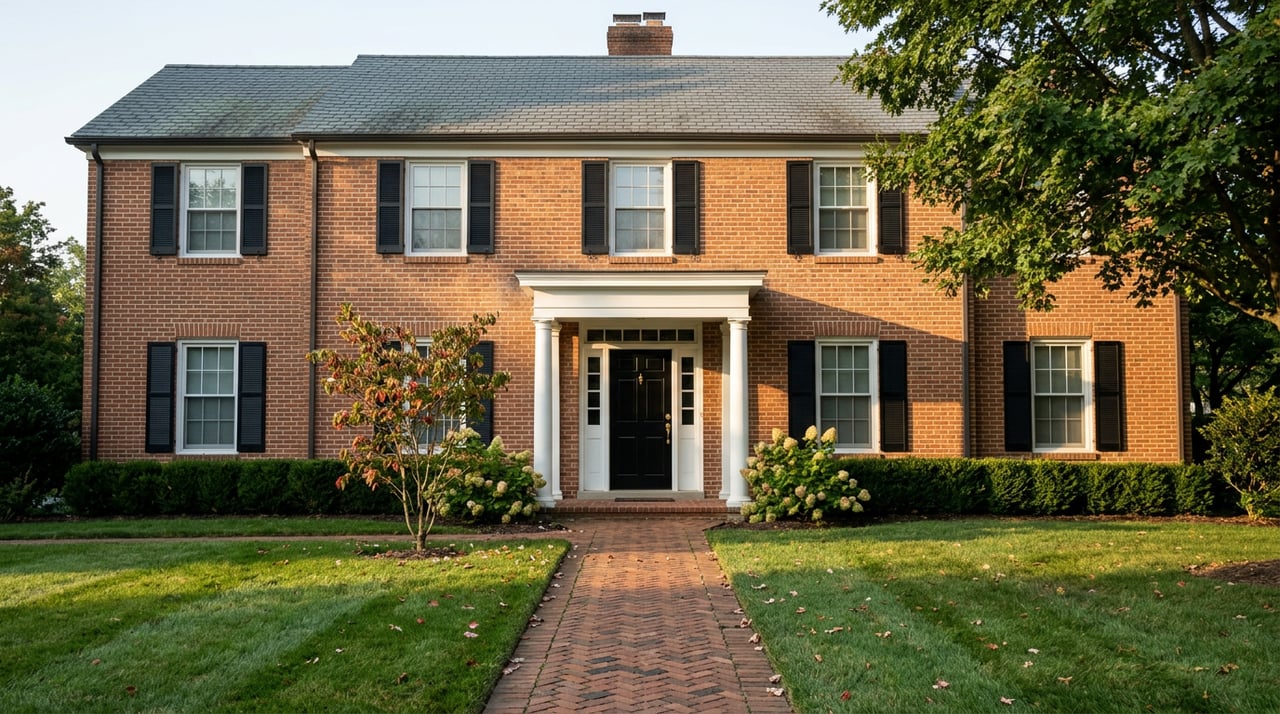
A timeless Penn Valley residence designed to be enjoyed for generations to come.
Listings
Story, Character, Scale & Location
Get assistance in determining current property value, crafting a competitive offer, writing and negotiating a contract, and much more. Contact me today.