
January 15, 2026
Trying to figure out the easiest way to get from Wynnewood to Center City without losing time or patience? Your commute shapes your daily rhythm, so it should be predictable and stress-light. In this guide, you’ll compare regional rail, driving, bus, bike, and multimodal options, weigh timing and parking, and learn how your Wynnewood home location can make life easier. Let’s dive in.
Wynnewood sits on the Philadelphia Main Line in Lower Merion Township, just west of the city line. You have quick access to the Paoli/Thorndale SEPTA Regional Rail line at Wynnewood Station, surface routes like Lancaster Avenue and City Avenue, and connections to I‑76 via Bala Cynwyd and Belmont. Morning peak travel tends to run about 6:30 to 9:30 AM, with outbound evening peaks around 4:00 to 7:00 PM. Hybrid schedules and construction can shift patterns, so it pays to check conditions day by day.
Big picture, you’ll find that regional rail is usually more predictable during rush hour. Driving is faster during off-peak periods but can be highly variable. If you plan your home search with these windows in mind, you can set yourself up for smoother workdays.
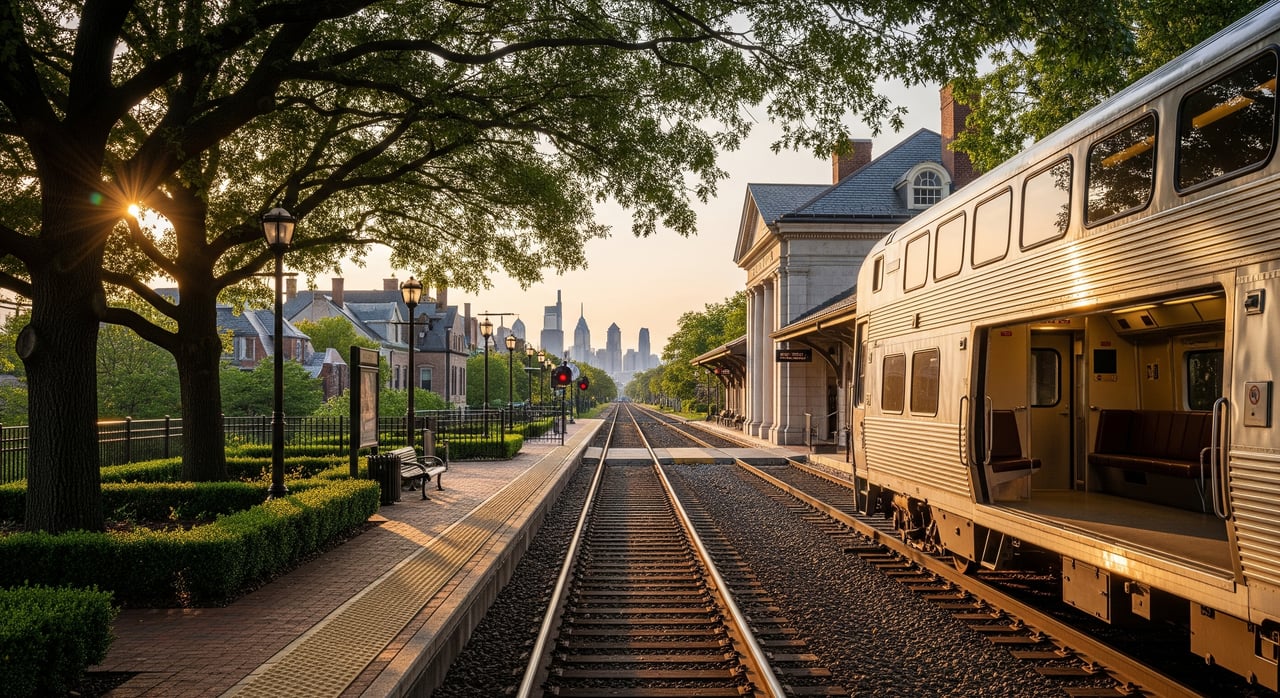
For most weekday commuters, regional rail is the reliable workhorse. Trains from Wynnewood connect directly to Center City through the tunnel, stopping at 30th Street Station, Suburban Station, and Jefferson Station. That puts you within walking distance of many offices and easy transfers to subway and trolley lines.
Key advantages:
Practical notes:
When regional rail shines:
Local bus routes serve Wynnewood and nearby hubs. Buses can be a helpful link to the station or, for some itineraries, an all-bus option into the city. They are more exposed to street congestion than the train, so build in a buffer if you have a tight schedule. Check specific routes and transfers that match your address and office location.
Many Wynnewood residents bike to the station and bring a bike on the train, following current rules. The Schuylkill River Trail offers a scenic, car-free path into Center City from the west, though you’ll usually need to reach it via local streets or combine with rail. E-bikes and scooters can simplify the last mile downtown, and secure bike parking varies by station and garage.
Best fits for biking:
Rideshare is a great backup for late nights, off-peak trips, or when connections do not line up. You can also park near the station and rideshare the last mile downtown on days you drive partway. Be aware that surge pricing can raise costs during bad weather or peak demand.
If you plan to drive, you have three main routes to consider:
Travel-time expectations:
Because variability is high, check a real-time navigation app before leaving. If your schedule is rigid, the train often provides more consistent door-to-door timing in the rush.
You will find a mix of metered on-street parking and public or private garages. On-street spaces are time-limited and enforced. Daily garage rates vary by block and demand, with typical drive-in rates often ranging from about $15 to $40 or more. Pre-booking apps can help you compare options and reserve at a lower rate. If your employer offers a parking benefit, factor that into your decision.
Tips for a smoother parking experience:
If downtown parking cost or availability is a concern, combine a short drive with rail. Park at or near Wynnewood Station, then take the train into Center City. Compare the monthly cost of a station permit versus a downtown garage, and weigh the value of train reliability during the peak.
Use a quick side-by-side to decide what fits your routine and budget. List your likely days in the office and your earliest arrival time, then run both scenarios.
Driving line items:
Regional rail line items:
If your employer provides pre-tax commuter benefits for transit or parking, include those savings in your comparison.
Where you live in Wynnewood can cut minutes and stress from your commute. Here is how to think about tradeoffs as you narrow your home search.
Living within an easy walk of Wynnewood Station reduces first-mile friction and your reliance on station parking. These blocks can come with a price premium. Balance the potential housing premium against car and parking costs you will avoid over time.
Neighborhoods closer to Lancaster Avenue and the station tend to offer more walkable access to daily needs. If you value grabbing dinner or errands without a car after work, you may prefer these pockets. Decide how often you will use walkable amenities versus driving to other destinations.
Households with multiple cars or frequent non-commute driving should confirm on-street rules and private driveway capacity. If you plan to use the train most days, a one-car setup might be practical. Think through school pickups, activities, and weekend routines to right-size your parking and vehicle plan.
Hybrid workers often want both transit convenience and quick highway access. If that is you, focus on homes that are near the station and also offer easy routes to City Avenue and I‑76. That mix lets you adapt when meetings, childcare, or weather change your plan.
Properties near Main Line regional rail stations have historically attracted steady demand from commuting professionals. If you expect to sell in a few years, proximity to Wynnewood Station can support your long-term exit strategy.
These examples show how different choices play out in real life. Your times will vary by address, schedule, and weather.
A smart plan turns a daily hassle into a routine you barely notice. If you are weighing neighborhoods in Wynnewood, or comparing a station-adjacent home to one with bigger space farther out, you do not have to figure it out alone. Explore options with a local advisor who understands both Center City and the Main Line commute.
Ready to map your best-fit home to your ideal commute? Schedule a private consult with Arielle Roemer to align location, lifestyle, and long-term value.
Listings
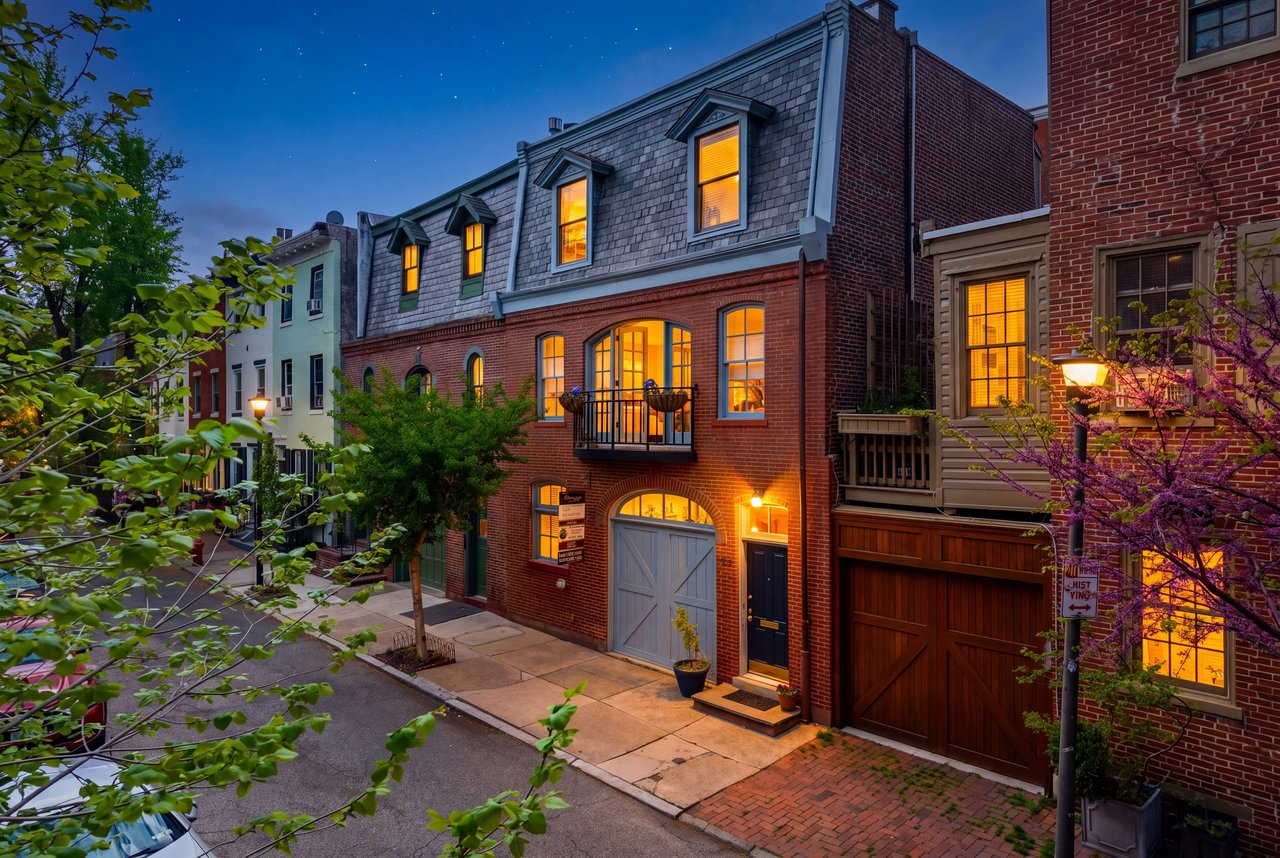
A picturesque, 25-foot-wide Fitler Square carriage house dating back to 1805
Listings
This Fishtown beauty could be yours
Listings
A Society Hill turnkey masterpiece, thoughtfully reimagined
Listings
A sophisticated retreat with 4-car parking in the city's most historic neighborhood
Listings
Space, light, corner exposure, outdoor space, and attached garage
Get assistance in determining current property value, crafting a competitive offer, writing and negotiating a contract, and much more. Contact me today.