Wynnewood vs. Narberth: How To Choose Your Ideal Main Line Address

March 5, 2026

Torn between Wynnewood and Narberth for your Main Line move? You are not alone. Each offers a distinct rhythm to daily life, from block-by-block walkability to how you run errands and commute. In this guide, you will compare housing styles, walk scores, train access, and price snapshots so you can choose with confidence. Let’s dive in.

Wynnewood vs Narberth: vibe check

Narberth at a glance

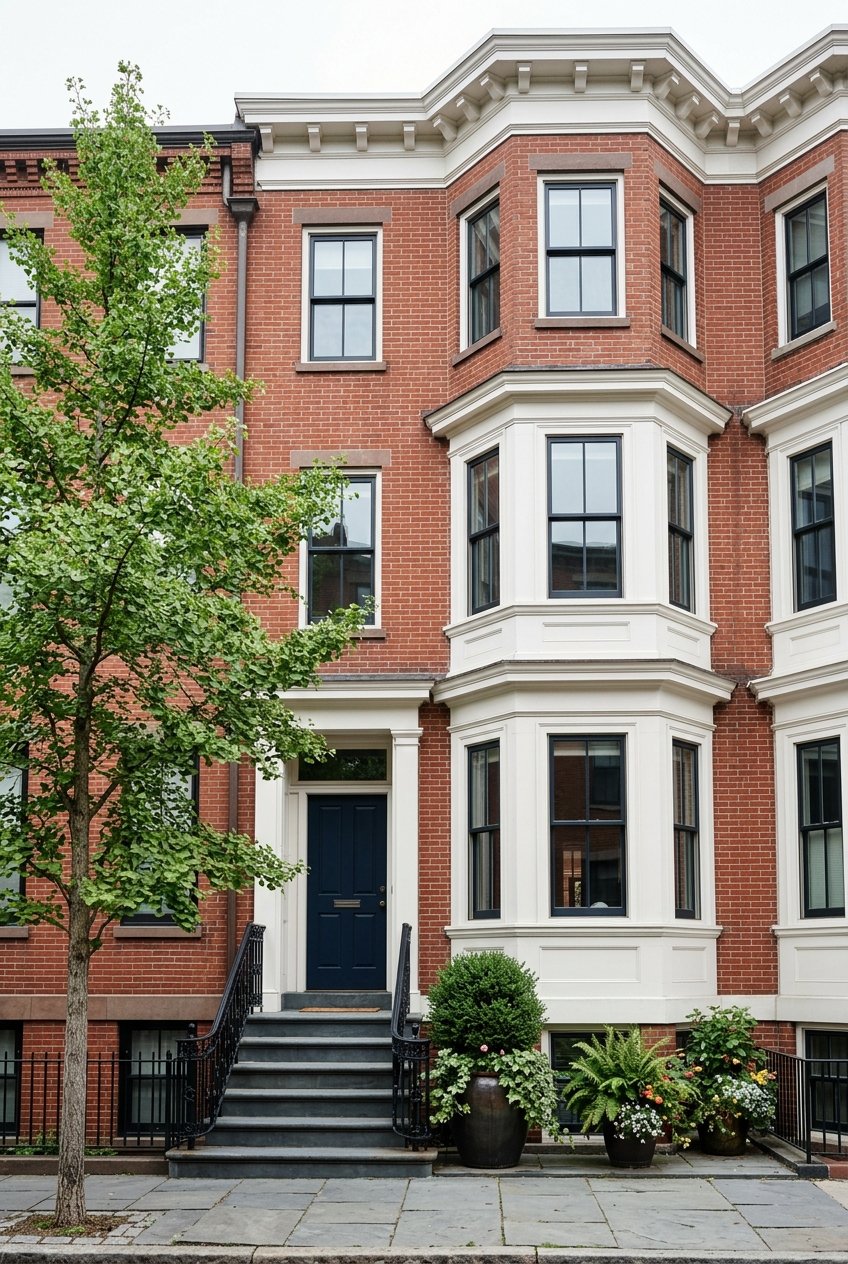
Narberth feels like a compact small town tucked inside the Main Line. The borough’s historic core has late‑19th and early‑20th‑century homes on a tight street grid and a cluster of independent shops and cafés that make quick errands simple. The built fabric reflects its early development and village identity, which you can see in the area’s historic timeline and streetscapes described by the Narberth History Center. If you want a true walk-to-everything lifestyle, start here.

Wynnewood at a glance

Wynnewood covers a larger footprint with several subareas, from station-adjacent blocks to more suburban streets. You will find a wider range of homes, larger lots in many sections, and easy access to shopping clusters along Lancaster Avenue. Everyday errands are straightforward, especially with anchors like Whole Foods at Wynnewood and the Wynnewood Shopping Center nearby.

Homes, lots, and parking

Narberth housing

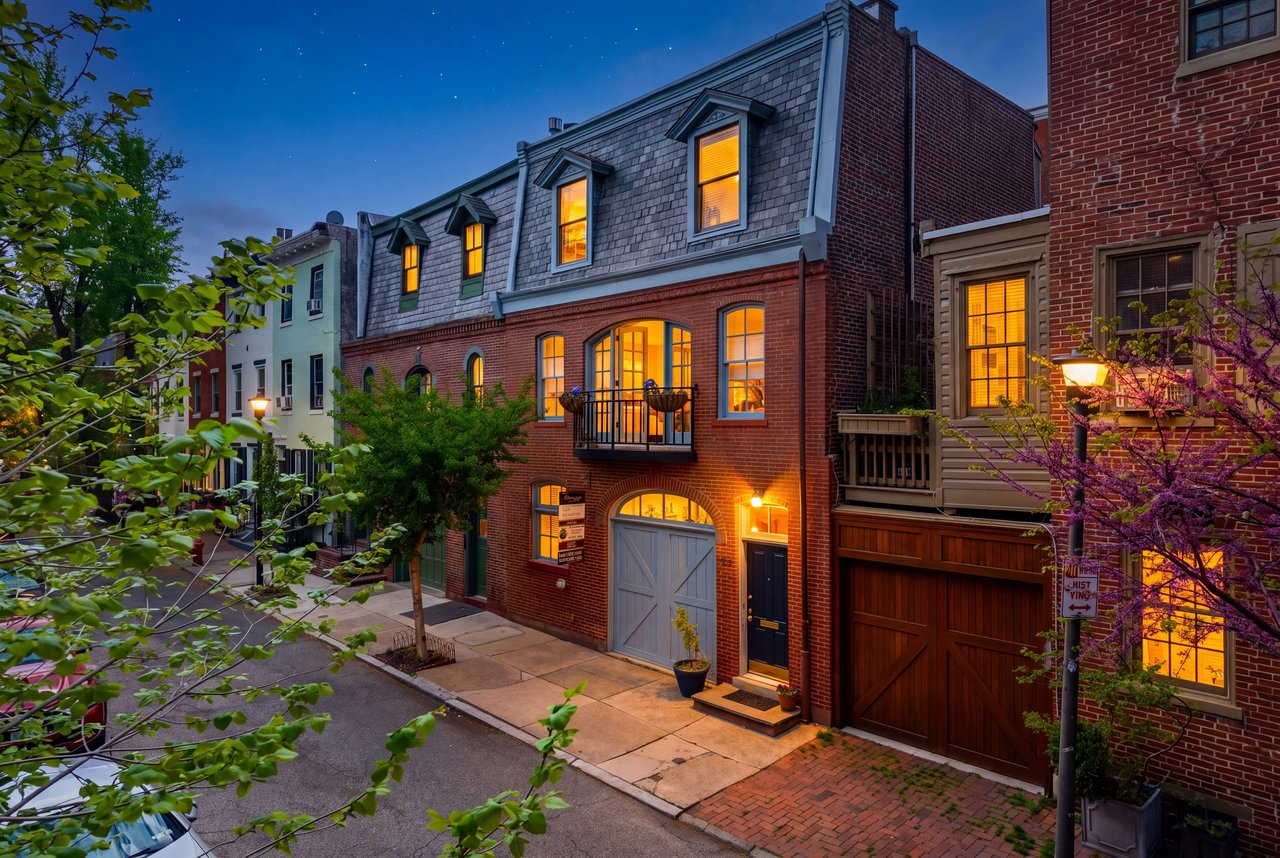
Narberth’s housing stock skews older, with Victorian, Dutch Colonial, Craftsman bungalow, twins, and small apartment buildings concentrated on smaller lots. Many properties sit close to the street with modest yards and limited driveway or garage space, reflecting the borough’s compact plan. The result is a close-knit residential feel where you can step out and be in the village core in minutes. For a sense of the borough’s early planned development, look at Narberth’s historic context via the Narberth History Center.

Wynnewood housing

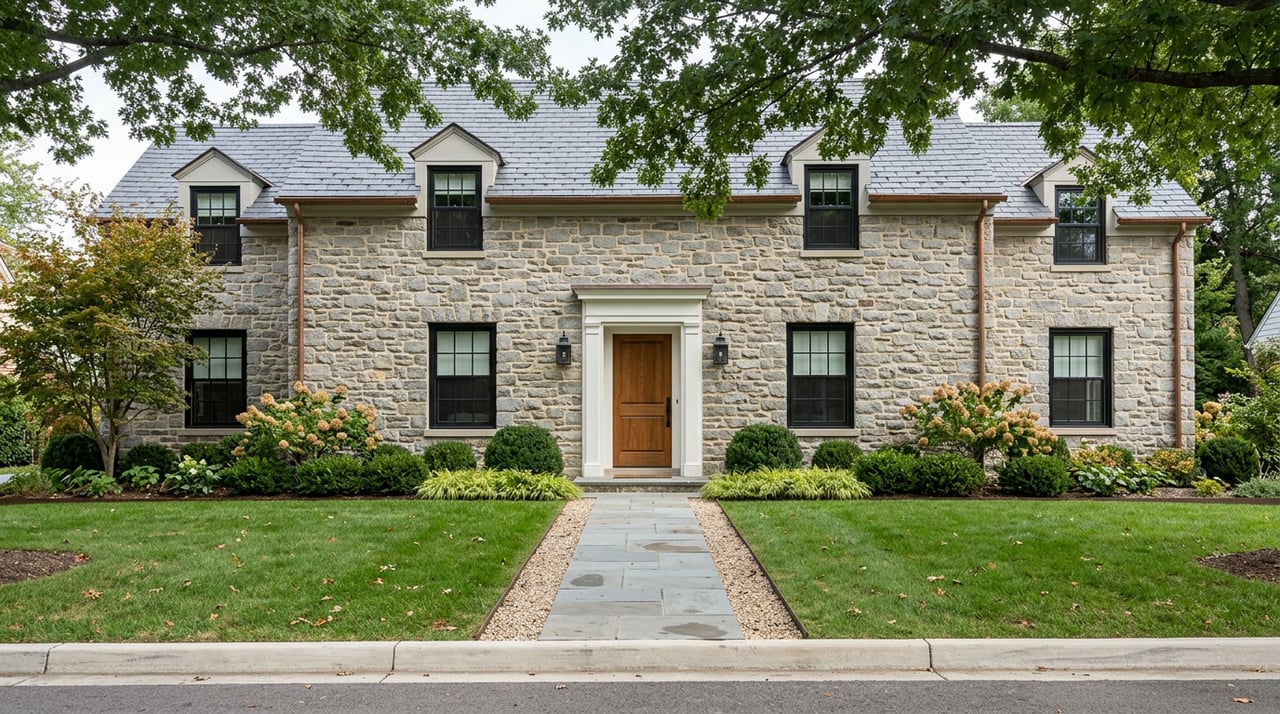
Wynnewood offers more variety. You will see stone colonials and brick Tudors, mid‑century split‑levels, twins in Penn Wynne, and condo or apartment buildings near the station area. Detached homes with larger yards and driveways are common in many sections, which suits buyers who prioritize outdoor space and off‑street parking. Closer to the station, multifamily options provide lower-maintenance living and potential entry points into the neighborhood.

Walkability and daily errands

Narberth’s village core

Narberth’s downtown is dense and walkable, with cafés, bakeries, and local retail lining the core streets. Central blocks post Walk Score readings in the mid‑80s, which means most errands can be completed on foot from homes near the village. Check a sample location in the heart of the borough on Walk Score to see how the numbers look by block.

Wynnewood’s station and retail pockets

Wynnewood balances walkable pockets by the train station with more car‑oriented corridors along Lancaster Avenue. Homes within a few blocks of the station often register “Very Walkable” scores in the 75–82 range, while other sections feel more suburban and may require short drives to errands. Explore an example point for Wynnewood on Walk Score to see block‑level differences.

Transit and commute

Both locations sit on SEPTA’s Paoli/Thorndale Regional Rail line, which provides a one‑seat ride into Center City.

  • Stations: Narberth Station and Wynnewood Station share the same line into 30th Street and Suburban Station.
  • Distance: Narberth is about 6.8 track miles to Suburban Station, while Wynnewood is about 7.4 track miles, per station references. See details on Narberth Station.
  • Typical rail times: Many schedules show Narberth to Center City in roughly 14–17 minutes and Wynnewood in about 18–25 minutes, depending on local vs express service. Always confirm current timetables since service patterns can change.
  • Parking: If you plan to drive and park for the train, Wynnewood offers more station parking capacity, noted on the Wynnewood Station page. Narberth’s lot is smaller, and the borough manages short‑term metered parking in town; you can review rules on Narberth’s parking page.

Note: SEPTA has adjusted schedules and service levels in recent years. Before you decide on a commute, check the latest updates, as covered by local reporting on transit changes in the region (The Philadelphia Inquirer).

Quick commute checklist

  • Walking to the train most days and want the shortest ride: Narberth has a small edge.
  • Driving to the station and need reliable parking: Wynnewood is often easier.
  • Running errands around your commute: Wynnewood’s retail clusters add convenience before or after work.

Price positioning today

Published price figures vary by data source, time window, and boundary definitions. “Wynnewood” may refer to different mapped areas depending on the site, while Narberth is a compact borough with fewer transactions, which can make short‑term medians swing.

Transparent vendor snapshots help you set expectations:

  • Wynnewood: A public vendor snapshot in January 2026 reported a median sale price around $730,000. Metric and boundaries vary by site.
  • Narberth: Consumer snapshots in mid‑to‑late 2025 showed a median home figure near $630,000 on one site and a median list around $785,000 on another. This spread illustrates how list vs sold and monthly sample size can shift the picture.

At a county level, both communities appear among higher‑priced Main Line areas, according to local roundups like this Montco Today context piece. For decisions on a specific street or housing type, ask for 6–12 months of recent sold comparables tailored to your target block and property style. That will give you a truer read than a town‑wide median.

Why numbers differ

  • Boundary lines: “Wynnewood” may be defined as ZIP 19096, Penn Wynne, or other neighborhood edges, while Narberth’s borough limits are fixed and small.
  • Metric type: Median list reflects current asking prices, while median sold captures closed deals that may predate current conditions.
  • Housing mix: A higher share of condos or twins can pull the median down compared with a dataset of larger detached homes.

Which to choose: buyer checklist

Use these quick prompts to map lifestyle to location:

  • You want a compact, walkable main street with cafés, local shops, and a short rail hop: choose Narberth. Its central blocks post strong walk scores and an intimate village feel.
  • You want larger yards, more detached options, and easy grocery runs with ample parking: choose Wynnewood. The station area and Lancaster Avenue corridor add daily convenience with anchors like Whole Foods at Wynnewood.
  • Your top priority is the shortest rail ride and walking to errands: Narberth has a slight edge.
  • Your top priority is driveability, station parking, and retail variety close to home: Wynnewood is often stronger.

How to compare on foot (this week)

A quick field test will make your decision much easier.

  • Walk each downtown twice: late morning on a weekday and early evening. Note what feels active, how safe crossings feel, and where you would get coffee or pick up dinner.
  • Time your walk to the station: start a stopwatch from your front‑door candidates to the platform. Do it once with a bag in hand to simulate work or school gear.
  • Test your commute: try the exact inbound morning trains you would take. Look at both a local and an express run to see the difference.
  • Park and ride: if you will drive, test station parking at your actual commute time. Compare Wynnewood’s capacity with Narberth’s more limited options, and review Narberth’s parking rules.
  • Pressure‑test your errands: pick a grocery run, pharmacy pickup, and bank visit. Try doing them in both places and compare time and ease.
  • Price reality check: ask for a custom report of 6–12 months of sold comps for your target blocks and housing types. Use that, not a single website median, to set your budget.

Work with a local advisor

Both Wynnewood and Narberth are outstanding Main Line addresses. The right fit comes down to how you live day to day, the kind of home you want, and your commute. If you want a calm, data‑driven process with private touring, block‑level comps, and access to on and off‑market options, connect with Arielle Roemer. You will get boutique, hands‑on guidance backed by the resources of a top brokerage.
FAQs

Is Narberth or Wynnewood more walkable for daily errands?

  • Narberth’s compact village core tends to score higher for walkability in central blocks, while Wynnewood has very walkable pockets near the station and more suburban sections elsewhere.

How long is the train ride to Center City from each?

  • Typical rail times often range about 14–17 minutes from Narberth and 18–25 from Wynnewood, depending on the train; always confirm current schedules on the Paoli/Thorndale line.

Where will I find larger yards between these two areas?

  • You will generally see more detached homes with larger lots across many Wynnewood sections, with twins and smaller-lot homes more common in Narberth’s compact grid.

How do home prices compare right now?

  • Public snapshots show Wynnewood’s median sold price around the low‑to‑mid $700Ks in early 2026, while Narberth’s medians vary by vendor and month from the low $600Ks (sold) to mid‑$700Ks (list), reflecting mix and small sample size.

Is parking easier near the train in Wynnewood or Narberth?

  • Wynnewood Station reports more parking capacity, while Narberth has a smaller lot and managed short‑term meters in the business district; factor this into a park‑and‑ride commute.

What should I know about boundaries and data sources?

  • “Wynnewood” can be defined by different neighborhood or ZIP boundaries across websites, while Narberth is a small borough; pick one consistent data definition and focus on block‑level sold comps for decisions.

Work With Arielle

Get assistance in determining current property value, crafting a competitive offer, writing and negotiating a contract, and much more. Contact me today.