
February 5, 2026
Thinking about trading Center City energy for a calmer, walkable suburb? Wayne gives you a lively Main Line downtown along Lancaster Avenue and quiet residential streets nearby, which makes everyday life feel easy. Whether you want character-filled architecture, a shorter commute by rail, or a lower-maintenance condo close to coffee and errands, you’ll find options here. In this guide, you’ll learn how Wayne is laid out, what daily amenities look like, which housing types fit different buyers, and what to know about schools, taxes, and commuting. Let’s dive in.
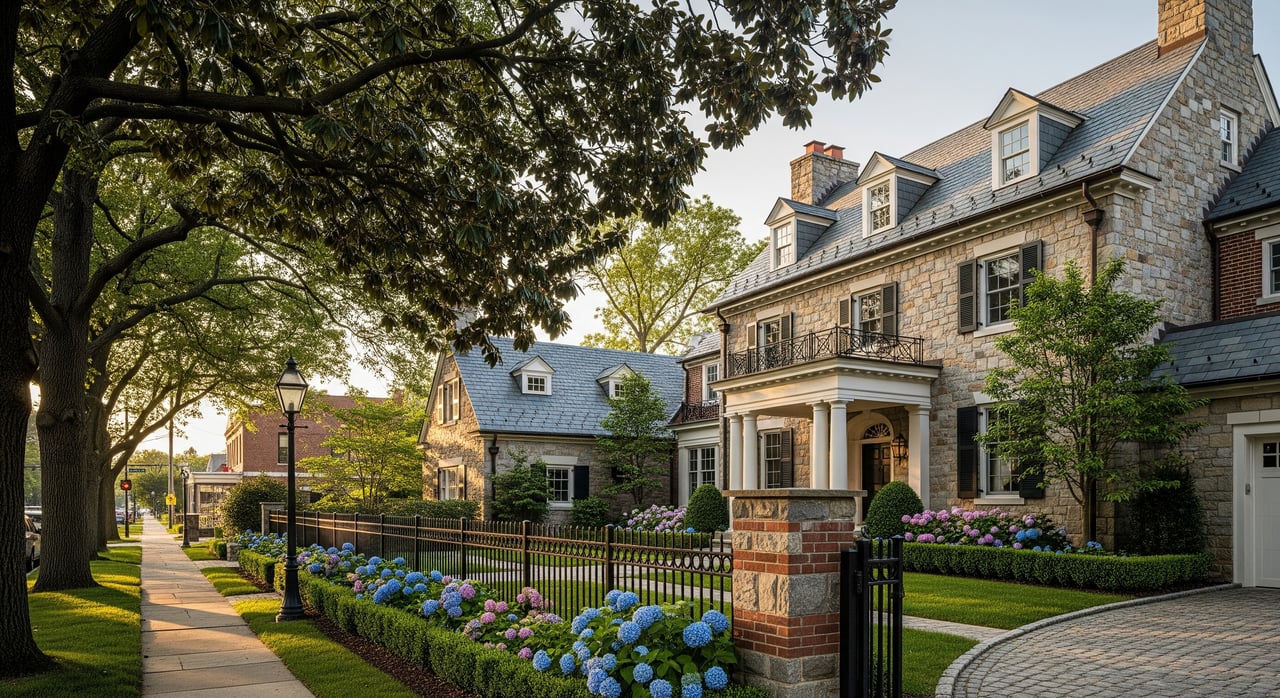
Wayne is a Main Line community centered on Lancaster Avenue with a compact downtown and surrounding residential blocks. You’ll see independent shops, restaurants, and services that draw both locals and nearby towns. The look and feel reflect the historic Main Line identity, so you’ll notice older stone and brick homes, tree-lined streets, and a scale that supports walking for daily needs.
One practical detail matters right away. Wayne’s boundaries cross municipal and county lines, so a specific address may sit in different townships with different rules, tax rates, and school districts. Before you make an offer, verify the exact township and county for any property so you understand services, schools, and total monthly costs.
Lancaster Avenue is your daily spine. Restaurants, cafes, bakeries, boutique retail, and professional services cluster along the corridor, which makes it simple to combine errands with a quick lunch or coffee. You can handle basics like pharmacies and specialty markets in town, and larger shopping centers are a short drive when you need a weekly stock-up.
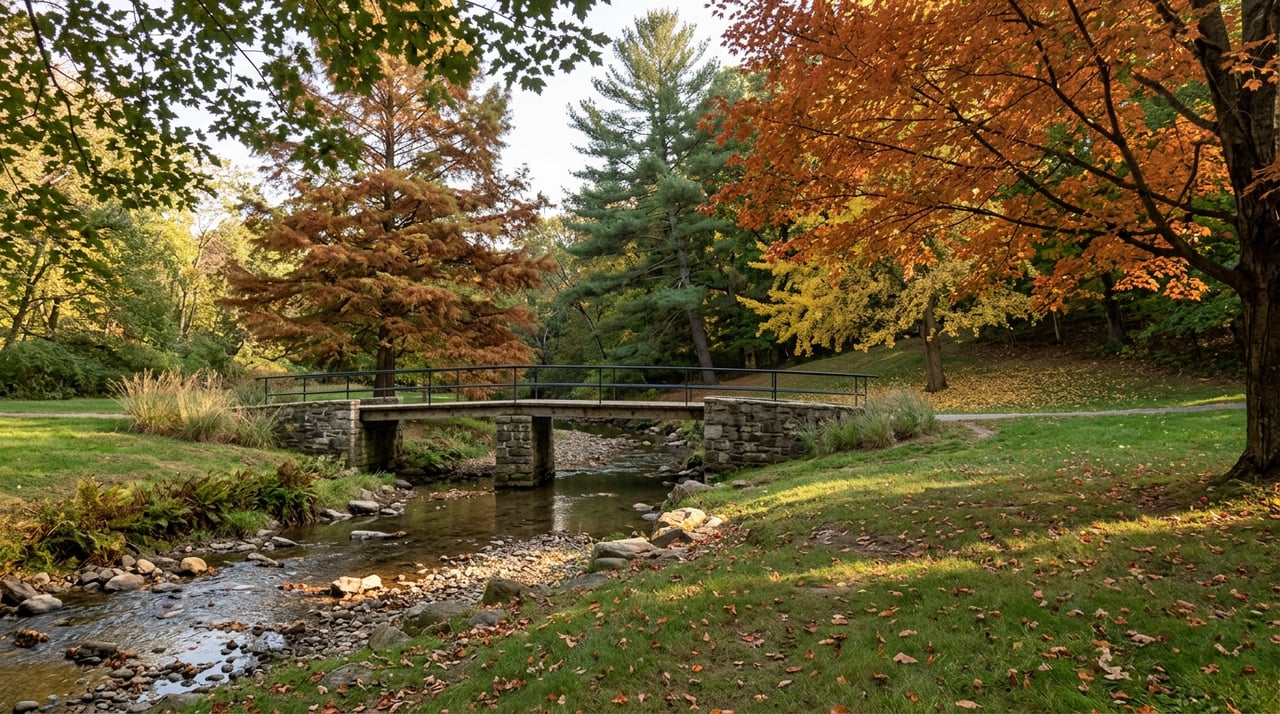
Wayne and its neighboring Main Line towns support active arts organizations, community theaters, galleries, and seasonal festivals. Small parks and green spaces dot the residential areas and are popular for dog walking and jogging. Community calendars often feature markets and holiday events, so weekends can feel full without leaving town.
You can expect medical practices, clinics, fitness studios, and personal care services in or near downtown Wayne. This mix keeps essential appointments close to home, which is especially helpful if you prefer to minimize driving during the week.
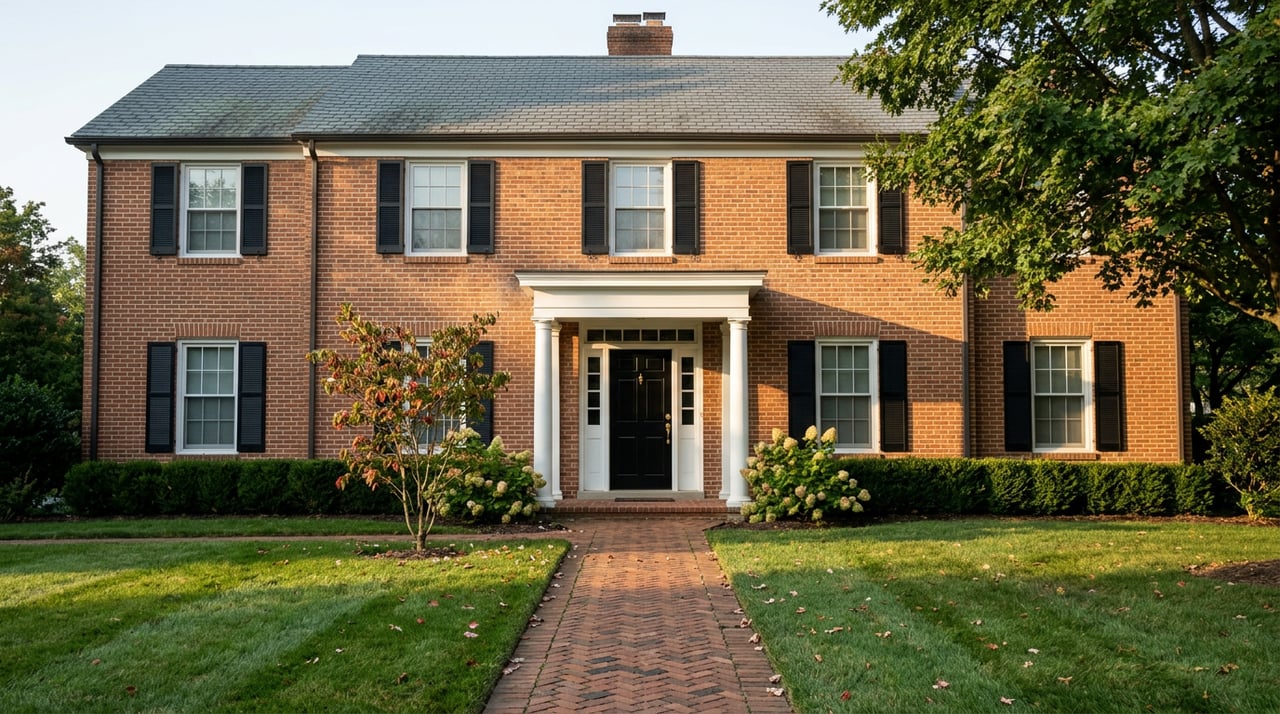
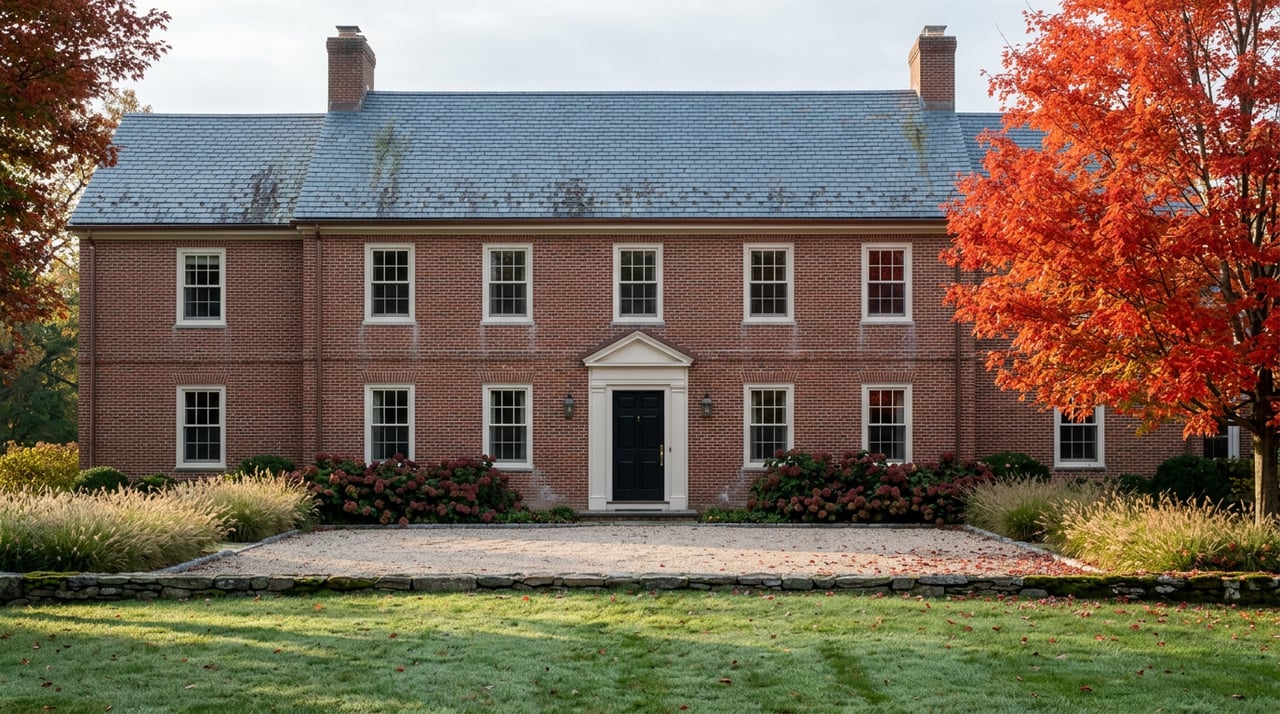
Much of Wayne’s charm comes from late 19th and early 20th century architecture. You’ll see stone and brick Colonial Revival, Tudor Revival, and Victorian-era styles on landscaped lots with mature trees. These homes deliver character and space, but they can require periodic maintenance like roofing, electrical updates, windows, and insulation.
If you love historic details but want a modest footprint, there are Craftsman-era cottages and bungalows on smaller lots. These can be a path to single-family living with lower upkeep than large estates, especially for buyers who want charm without excess square footage.
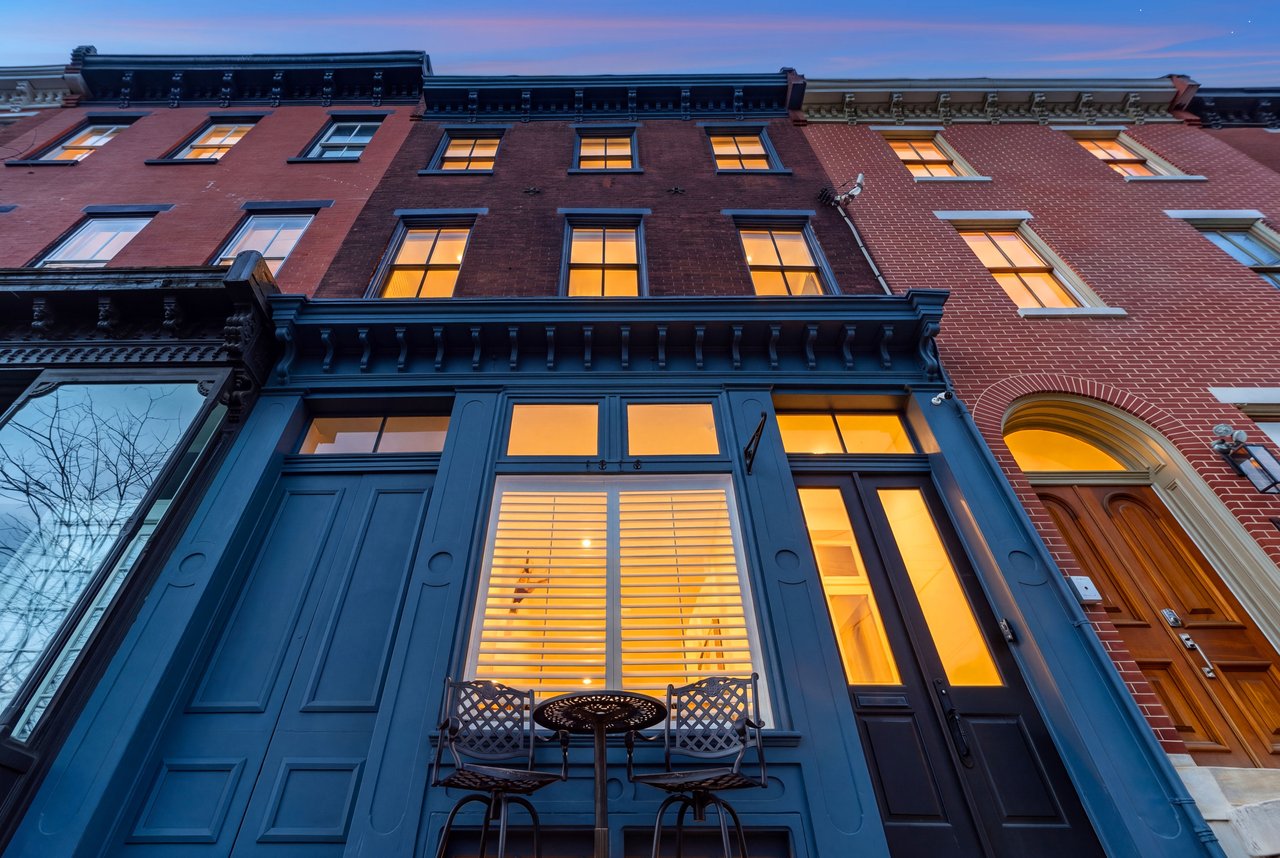
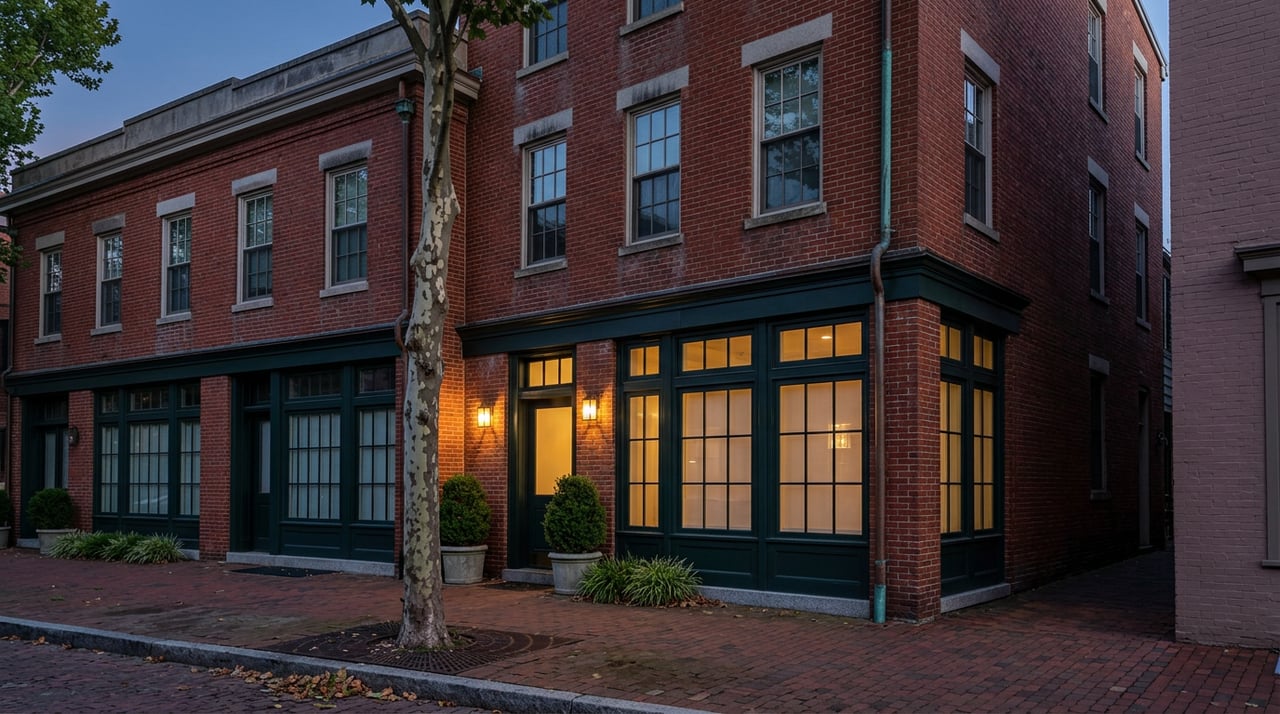
Townhomes near the commercial corridor and condo buildings or conversions appeal to downsizers and first-time buyers who want less maintenance. You’ll want to review HOA fees, parking policies, and any rules about renovations or pets. The tradeoff is clear. You get a lock-and-leave lifestyle close to coffee, dining, and the Regional Rail station, but you’ll budget for association dues.
Selective infill and new construction appear where lots allow, and many older homes have been renovated extensively. If you prefer modern systems and open layouts, a renovated historic home or a newer build can offer the best of both worlds. Be sure to confirm permitting history and township requirements before committing to major changes.
If you want walkability, lower maintenance, and easy access to healthcare and daily errands, a condo or townhome near Lancaster Avenue is a strong fit. You’ll weigh monthly HOA fees against time saved on upkeep and the freedom to travel without worrying about exterior maintenance.
Single-family homes close to parks and public school options are common targets for families. Since school districts vary by township, confirm the assigned district for any address during your initial search. Proximity to the Regional Rail station can be a value driver when multiple household members commute.
If you commute to Center City, look for homes within walking distance of the station or with easy access to U.S. Route 30 and nearby highways. Properties that combine transit convenience with everyday walkability tend to hold buyer demand well over time.
Wayne is served by SEPTA Regional Rail on the Paoli/Thorndale Line. Trains provide direct service into Center City with connections beyond. Depending on whether you catch a local or an express, the ride is often about 25 to 35 minutes. Check current schedules for exact times and peak service frequencies when you plan your routine.
Lancaster Avenue is the main east to west route through town, and nearby highways connect you to suburban job centers. Driving times to Center City vary widely by time of day and traffic. Downtown parking typically includes meters and municipal lots, and commuter parking near the station is managed by SEPTA and local township authorities. Permit rules and fees can change, so verify details before you budget for a park-and-ride routine.
Because Wayne spans municipal lines, different addresses can fall into different public school districts in the Main Line area. If schools are a priority, verify the assigned district directly with the district or township for the specific property you are considering. Some families also explore private and parochial options in the broader region.
Trash, recycling, local police, and permitting are handled by the township in which a property sits. Radnor Township and Tredyffrin Township are examples of local authorities that oversee building permits, zoning, and parks for their jurisdictions. If you are planning additions or exterior changes, confirm whether historic-preservation or design review applies.
Property tax rates vary by township and county, and school taxes are a meaningful part of total cost. Condos add HOA dues that affect your monthly budget. To compare apples to apples across neighborhoods, check the county assessment for the address and local tax rates, then add HOA fees if applicable.
Wayne is part of the higher-priced Main Line market and sits above Pennsylvania’s median home values. Prices vary widely based on location, school district, lot size, condition, and proximity to downtown and the station. If you want current numbers, use recent 12 month median sale prices and a 90 day snapshot of active listings to frame expectations.
When you evaluate a home, remember that carrying costs matter just as much as purchase price. Property taxes, utilities, HOA dues, and any planned renovation budget should be part of your affordability check. A data driven review will help you compare an updated condo near Lancaster Avenue with a larger historic home farther out.
Older homes offer craftsmanship and presence. They may also need system upgrades, window restoration, roof work, or insulation improvements over time. Schedule thorough inspections, including HVAC, electrical, plumbing, roof, and masonry, and get quotes from contractors who work with historic materials.
For condos and townhomes, review the association’s budget, reserve study, bylaws, and any special assessments. Ask about parking assignments, guest parking, pet policies, and renovation rules. A strong HOA with healthy reserves supports long term value and reduces surprise costs.
Walkability to Lancaster Avenue and proximity to the Regional Rail station often preserve buyer demand. Clear school district assignment and a respected township reputation also support resale. If you are choosing between two similar homes, the one closer to daily amenities and transit tends to be the safer long term bet.
You deserve a clear, low stress process in a market with many variables. I guide you through township and school district verification, surface total monthly costs early, and tailor showings to the lifestyle you want. You will see a thoughtful mix of historic singles, low maintenance condos or townhomes, and renovated options so you can focus on what fits you best.
If Wayne feels like the right move, let’s craft a plan that aligns with your budget, timing, and daily routine. Schedule a conversation with Arielle Roemer to get started.
Listings
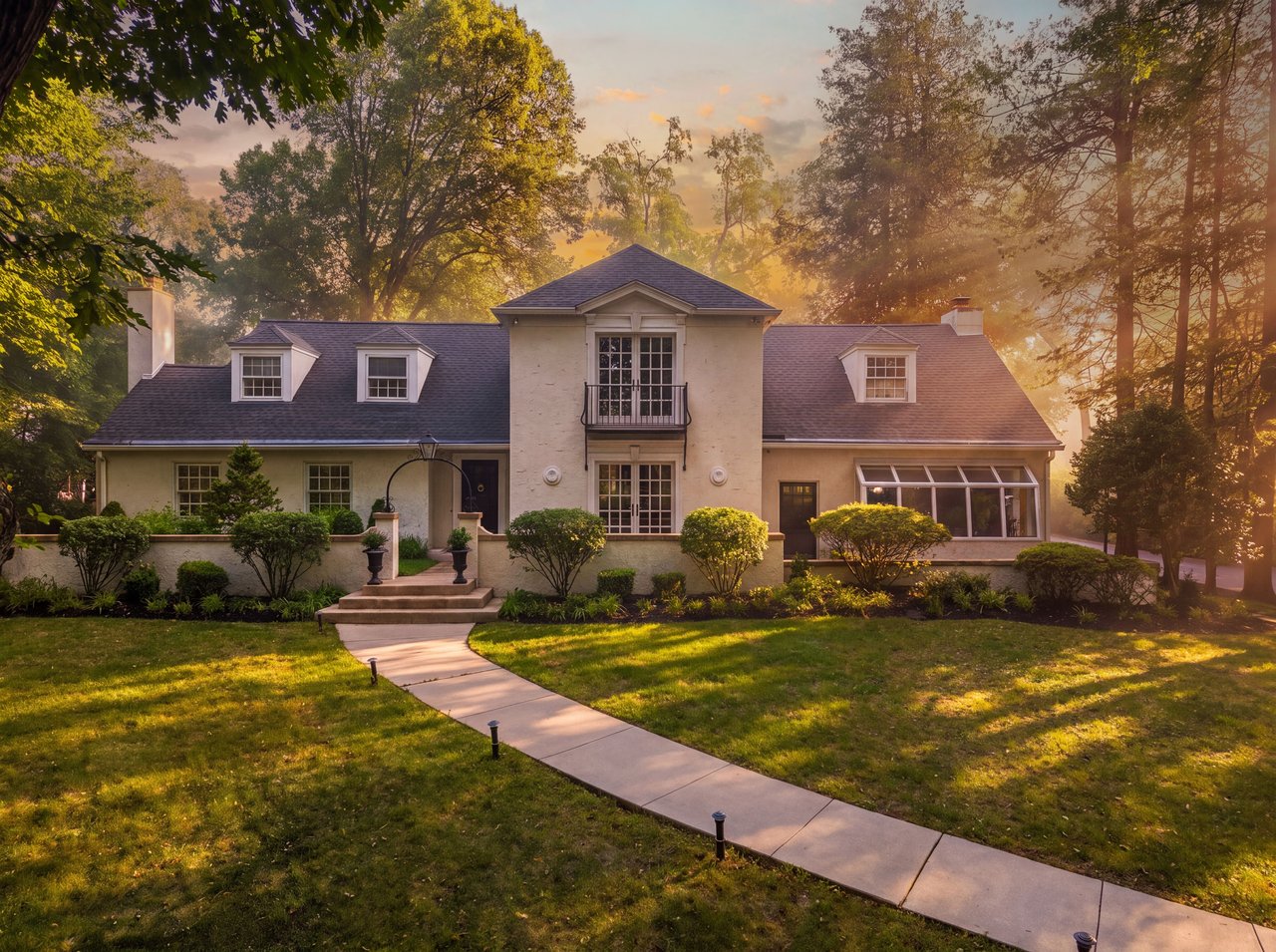
A timeless Penn Valley residence designed to be enjoyed for generations to come.
Listings
Story, Character, Scale & Location
Get assistance in determining current property value, crafting a competitive offer, writing and negotiating a contract, and much more. Contact me today.