
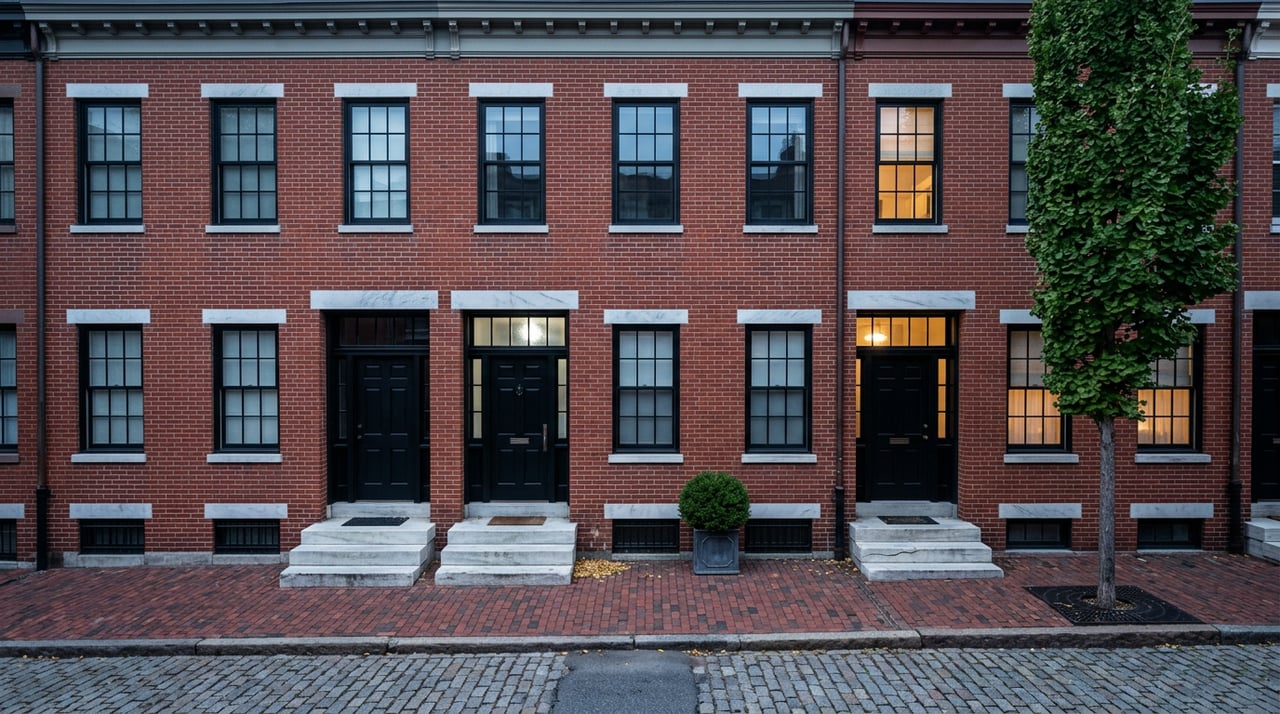
August 27, 2026
"I remember my mom making chicken Marsala for us," said restaurateur Michael Pasquarello, as reported by The Philadelphia Inquirer, describing the dish he's now serving from a kitchen that didn't exist seven months ago. He and his wife Jeniphur opened Piccolina inside the Society Hill Hotel in February, on the same ground floor where a different restaurant had just closed its doors after a run of 18 months, as What Now Philadelphia reported.
Two blocks away, in a building that's been serving drinks since 1759, nobody has had to reintroduce themselves to the neighborhood in a very long time. That's the split personality of daily life in Society Hill right now: a restaurant space with recent tenant changes sitting inside a neighborhood core that hasn't changed its address in centuries. Noticing which is which tells you something true about how this place actually runs.
Piccolina opened this year on the ground floor of the Society Hill Hotel at 301 Chestnut Street, a building constructed in 1832 that stands close enough to where the Declaration of Independence was signed that most guests can walk there without checking a map. The previous restaurant in that same space closed on December 31 after just 18 months in business, a timeline co-owner Mike Cangi confirmed in a Facebook post announcing the closure.
The Pasquarellos aren't new to this. Their group, 13th Street Kitchens, dates to 2003, when they opened the first Cafe Lift in Callowhill. Since then they've added a second Cafe Lift location in Haddonfield, moved the original to 12th and Spring Garden after a short-lived branch in Narberth didn't work out, and opened Prohibition Taproom and La Chinesca nearby. They also ran the wood-fired pizzeria Bufad for six years before closing it at the end of 2018, and spent a decade in Fishtown with Kensington Quarters, a restaurant that started beef-centered and later shifted to fish.
Piccolina borrows directly from that history. The sausage pizza, finished with béchamel, broccoli rabe, and shaved pecorino, is a callback to Bufad, as is a mushroom pie that had built its own following before that restaurant closed. The half-chicken marsala starts with dry-aged birds that are brined, air-dried, and finished in a deep marsala sauce. The pork milanese brines for 24 hours in coriander, fennel, garlic, and peppercorns before getting breaded and fried, served alongside a crock of escarole and beans.
What that menu represents is a restaurant group with two decades of experience opening, closing, and reopening concepts across the city, now bringing its latest restaurant to a space where the previous tenant closed after 18 months. That history is one example of the different paces of change in Society Hill.
Walk two blocks in almost any direction from that hotel entrance and the businesses you pass keep a very different relationship with time.
The tavern, the bistro, and the wine bar have built a regular clientele over decades. They're already the destination. Piccolina is a recent opening in a hotel, another chapter in the neighborhood's business history.
The one weekly ritual in Society Hill that hasn't moved is the Headhouse Farmers Market, which has run every Sunday from 10 a.m. to 2 p.m. since 2007 under the colonnade known as the Shambles, along S. 2nd Street between Lombard and Pine. The Food Trust, the nonprofit that organizes it, brings in rotating and weekly vendors selling produce, bread, cheese, coffee, beer, and wine, and residents who've lived here for years still show up early because the good stuff sells out.
Even here, change is rare enough to be notable when it happens. As of March 2025, the market stopped allowing pets inside the Shambles during market hours, with an exception for service animals. That's the scale of adjustment this market makes: a single posted policy update after nearly two decades of the same Sunday routine in the same spot. The restaurant space has seen more recent tenant changes, a contrast with the market's long-running Sunday schedule.
The Philadelphia Society for the Preservation of Landmarks, which maintains several of the neighborhood's colonial-era house museums, has already set its fall lecture season, and the lineup only works because the buildings hosting it aren't going anywhere.
On October 16, the Hill-Physick House hosts a talk on the madeira wine trade in colonial America, led by historians Mannie Berk and Aaron Nix-Gomez, who have spent nearly 15 years researching how madeira became one of the most sought-after wines in the colonies, followed by a tasting. On November 20, the Powel House hosts a companion talk on porter beer, tracing the Powel family's connection to Robert Hare, a well-known porter brewer of the era who married into the Willing family. Around Halloween, PhilaLandmarks runs its "Spooky Speakeasy," a 1920s-themed fundraiser at Hill-Physick House with tickets at $75, all going toward preserving the house itself.
The Powel House and the Hill-Physick House have been standing since the 1760s and 1780s respectively. That's a different timeline from a hotel ground floor that's seen recent tenant changes.
Spend one afternoon walking through Society Hill this fall and you can sit down in a dining room that didn't exist in January, order a drink at a bar that's poured them since before the country had a flag, buy vegetables at a market stall that's been in the same spot since two mayoral administrations ago, and end the day in a parlor built in the 1780s listening to a historian talk about porter beer. That's not two different neighborhoods. It's one neighborhood running on two clocks at once, and the people who already live here tend to know instinctively which clock to check depending on what they're planning.
That instinct, the sense of which parts of a place move and which parts don't, is exactly what separates someone who's lived somewhere for years from someone reading about it for the first time. If you're the kind of resident who notices when a corner changes hands or when a market adds a new rule after eighteen years, you already understand Society Hill better than most listings ever will. Arielle Roemer spends her time tracking these details because they shape what a property here is actually worth to the next person who walks through it. If a move in or out of the neighborhood is somewhere on your horizon, whether this year or a few years out, she'd welcome the chance to talk it through. Schedule a consultation whenever you're ready.
Listings
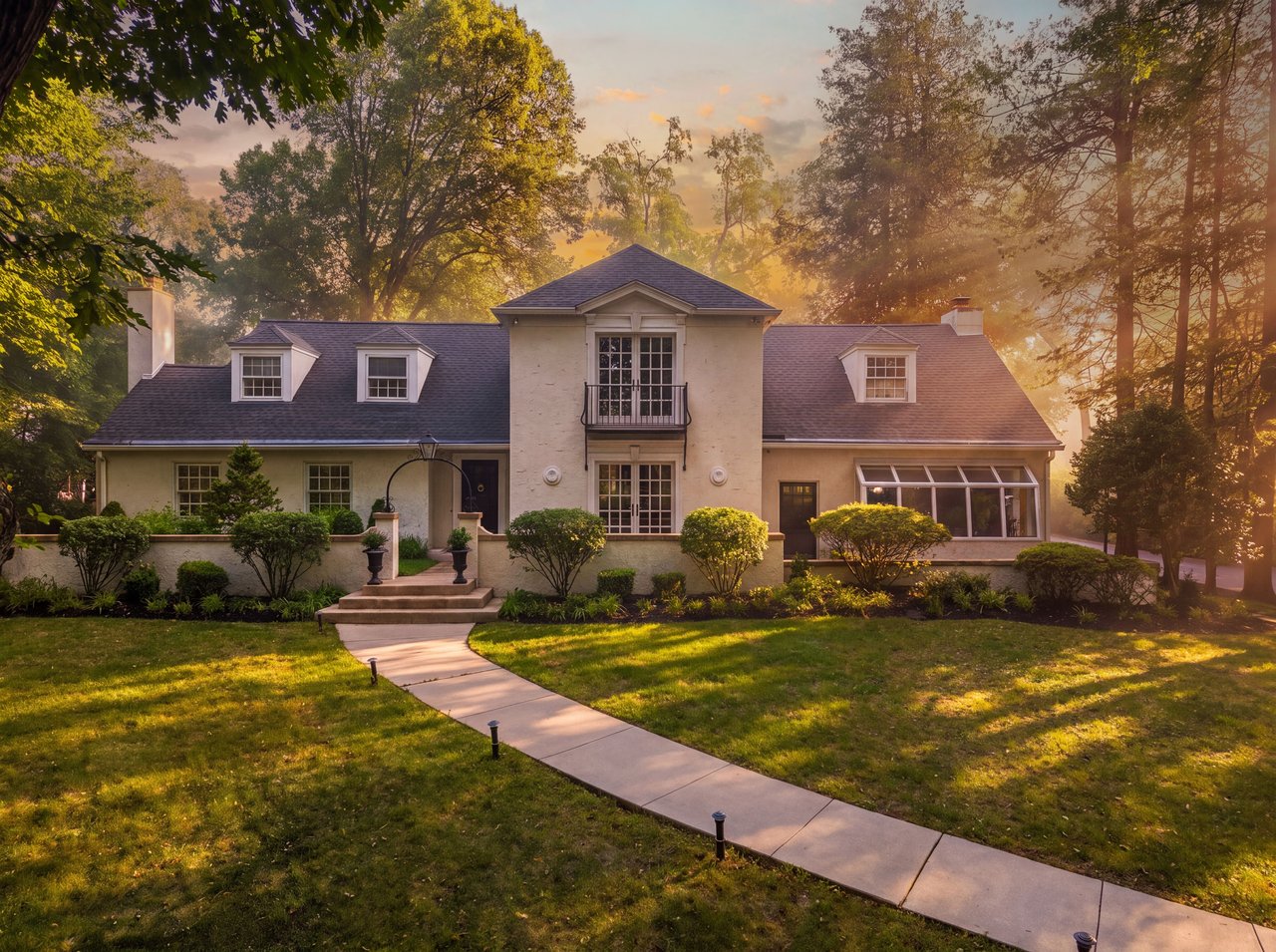
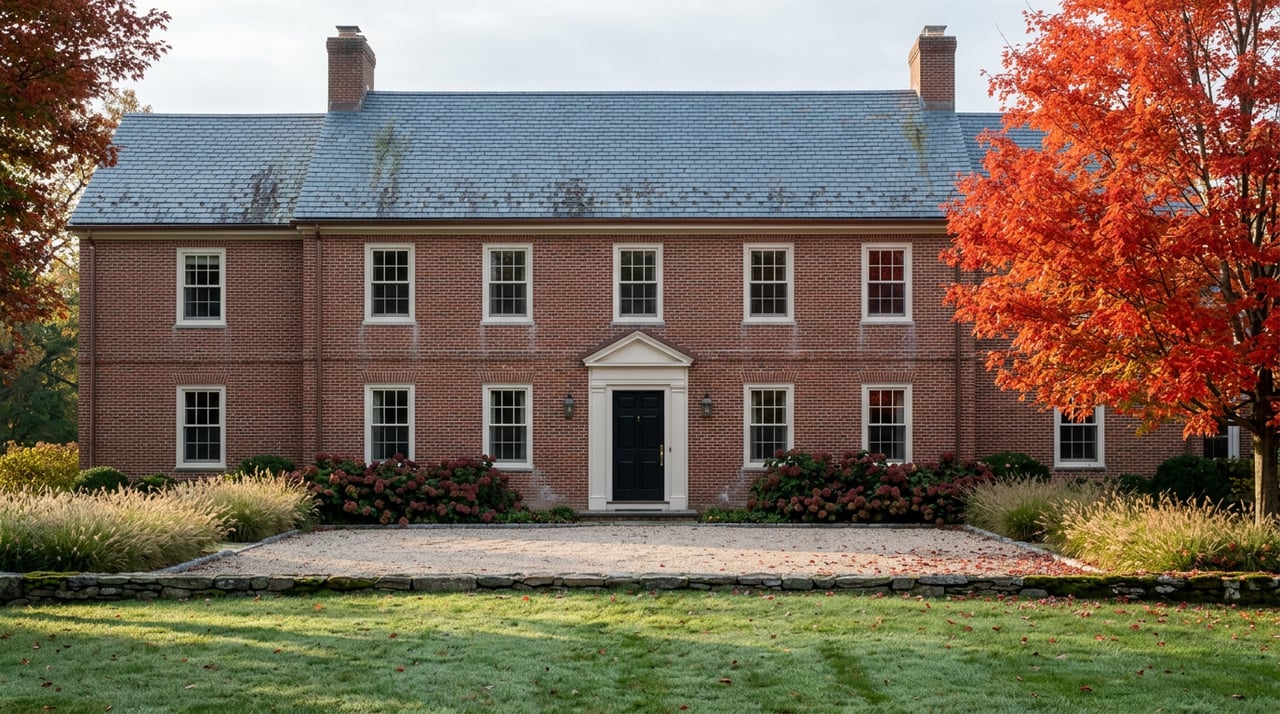
A timeless Penn Valley residence designed to be enjoyed for generations to come.
Listings
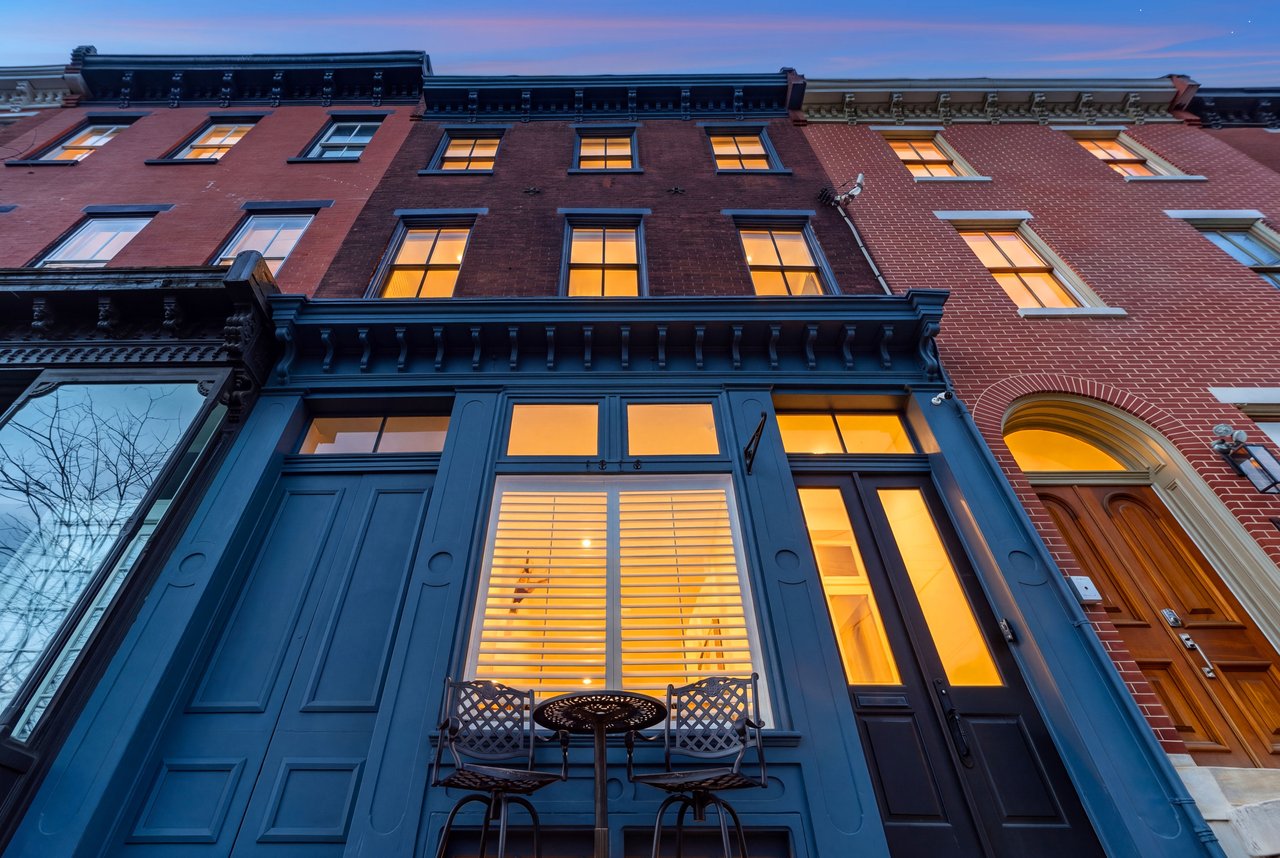
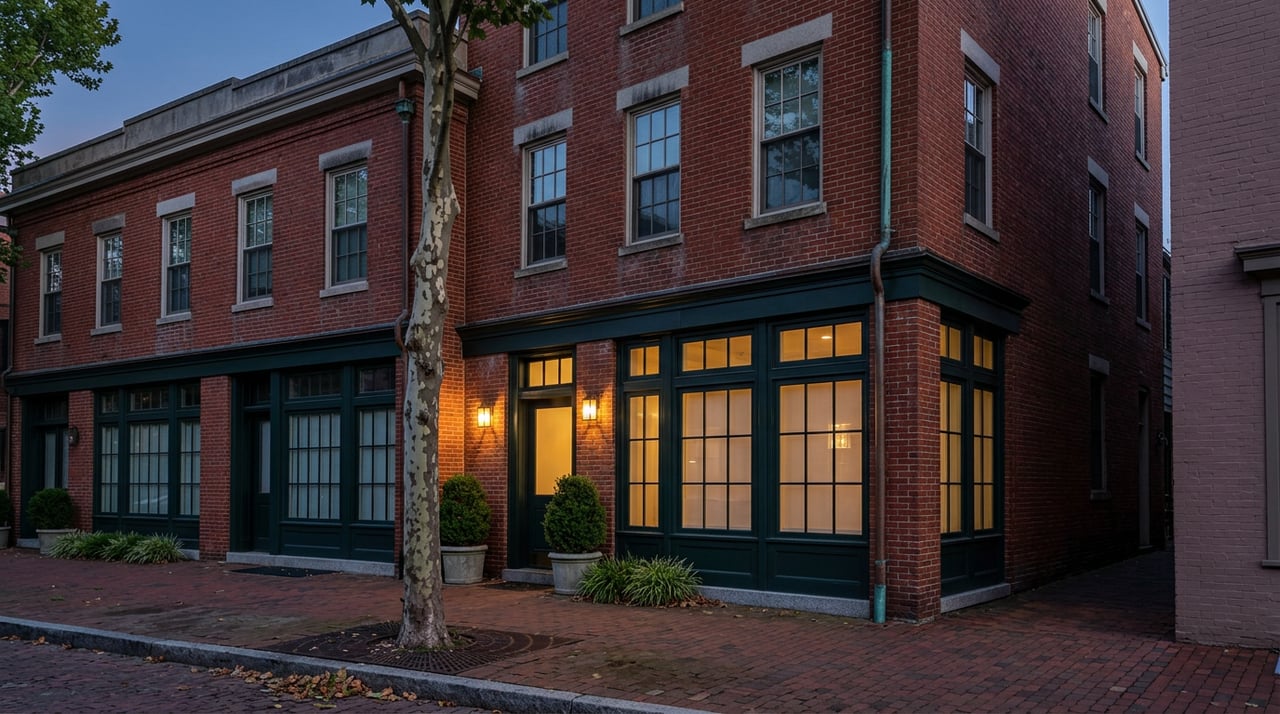
Story, Character, Scale & Location
Get assistance in determining current property value, crafting a competitive offer, writing and negotiating a contract, and much more. Contact me today.