
March 24, 2026
If you love brick-lined streets, hidden alleys, and a neighborhood that feels like a historic village inside the city, Queen Village will capture your attention fast. You might be comparing classic townhomes to pint-size trinities and wondering how courtyard communities fit in. You also want a clear picture of daily life, price ranges, and what to watch for before you buy. This guide breaks it all down so you can choose the right fit with confidence. Let’s dive in.
Queen Village sits in old Southwark, one of Philadelphia’s earliest settled areas, and it still shows its heritage in the streets and brick facades. Portions of the neighborhood include 18th-century homes and listed historic districts like the South Front Street Historic District, which help explain the distinctive look and feel you notice on a short walk around the blocks. For a quick orientation to the area’s roots and landmarks, start with the neighborhood overview from the Queen Village Neighbors Association and the background on the South Front Street Historic District.
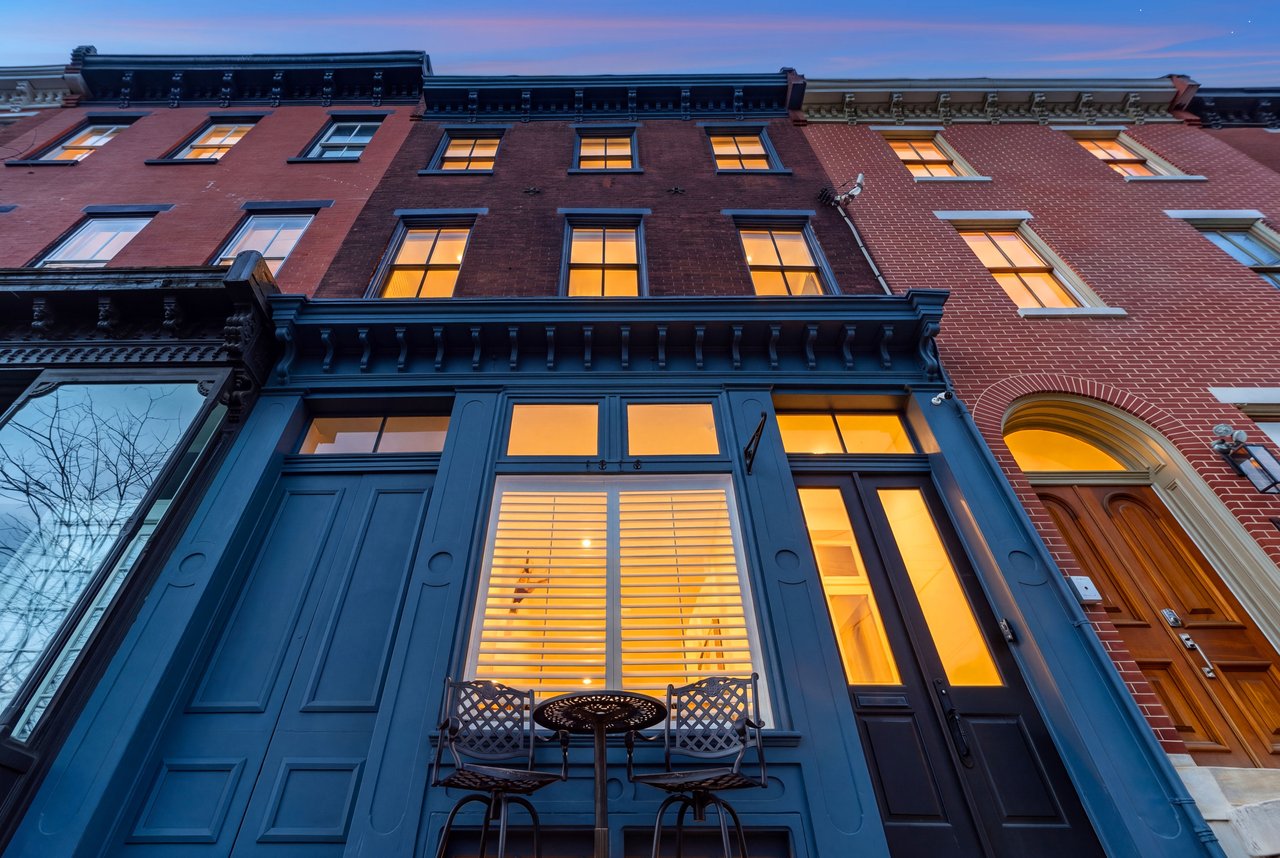
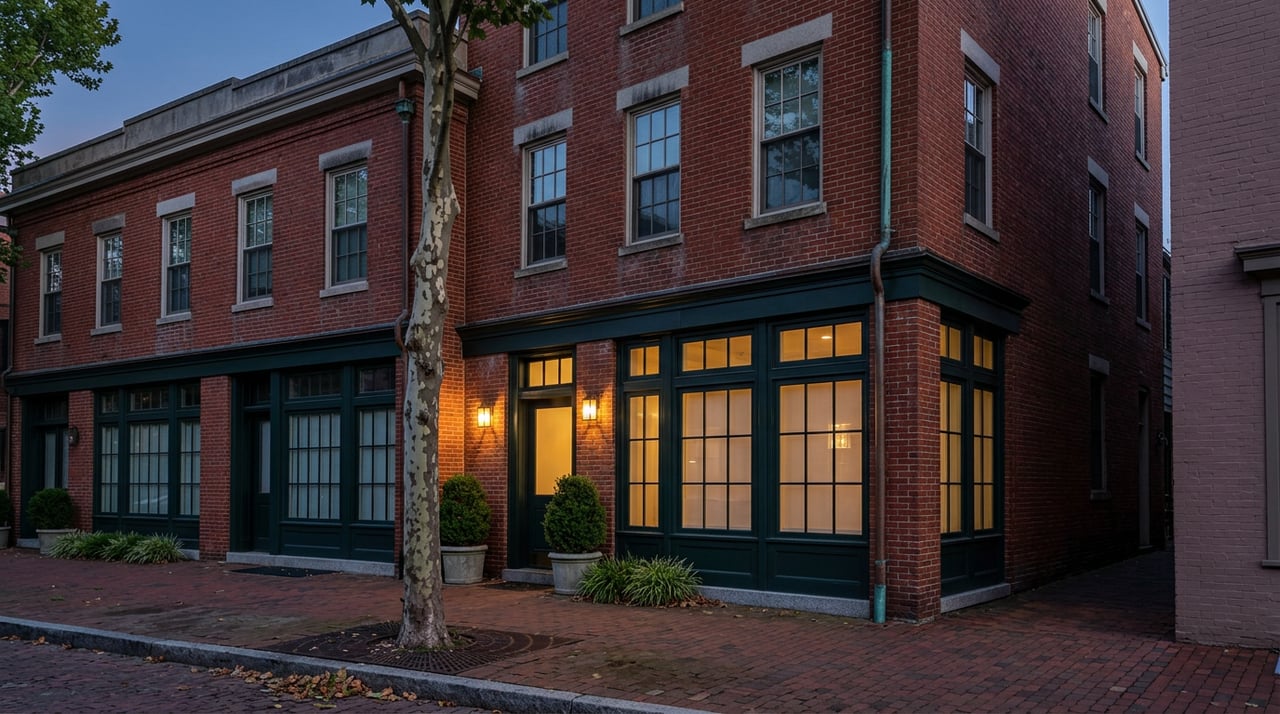
Townhomes, also called rowhouses, are Queen Village’s bread and butter. You’ll see 2 to 4 stories of continuous brick, narrow frontages, and a long front-to-back room layout. Many homes mix original details like mantels or exposed brick with modern kitchens and baths. Small rear patios are common, and many renovated properties add roof decks for bonus outdoor space.
How they live day to day:
Best fit if you value historic character, a street-facing presence, and private outdoor space. If you want more room, look for larger renovated homes or those with finished basements to extend living areas.
A trinity is a uniquely Philadelphian form: three stories, one primary room per floor, and a compact staircase that connects them. Many date to the 18th and 19th centuries and often sit on tucked-away alleys or quiet interior courts. They are small in footprint and big on charm. Older examples highlight exposed brick and beams, while modernized versions lean into clever storage and smart space planning. For a deeper look at how trinities are laid out and lived in, check this overview of trinity homes from Philadelphia Magazine.
How they live day to day:
Best fit if you want a compact, historic footprint with character, value a low-maintenance home, or plan a city pied-à-terre.
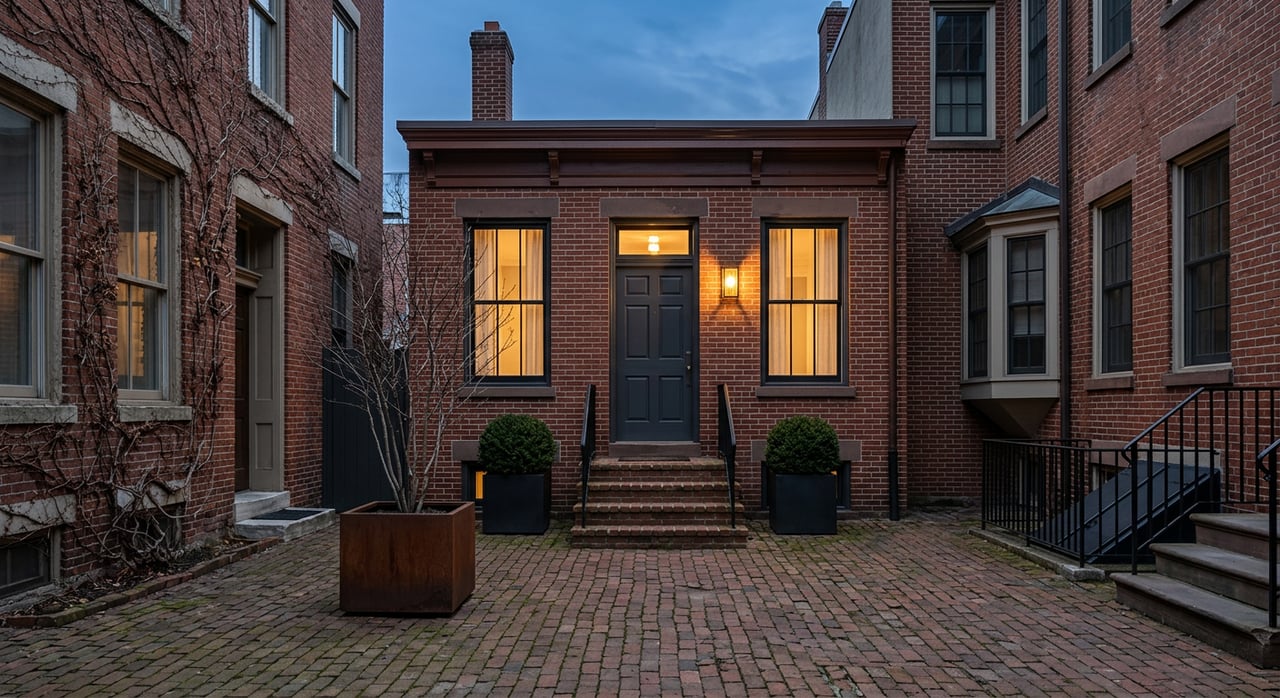
Courtyard living appears in two flavors here. Some clusters are historic courts or alleys where narrow houses face an interior lane, which creates a peaceful, pedestrian setting away from main streets. The Elfreth’s Alley Museum offers helpful context for how these historic court patterns emerged in Philadelphia’s early housing.
You’ll also find modern courtyard-style developments organized around shared patios or mews. These often operate as condos or HOAs with shared maintenance and rules for common areas.
How they live day to day:
What anchors daily life here is the mix of independent retail and food. Headhouse Square hosts a popular farmers market that draws neighbors on weekends, and South Street and Fabric Row offer a string of boutiques, cafes, and services. To get a feel for the weekly rhythm, browse local coverage of the farmers market, then sample the neighborhood’s growing dining and specialty-shop scene with a recent roundup of Queen Village openings and standouts.
Green pocket parks and dog-friendly spaces dot the neighborhood, including familiar spots like Weccacoe Playground and Mario Lanza Park. Just a short walk east, the Delaware River waterfront opens up seasonal attractions, public art, and events that make warm-weather evenings easy. If you are drawn to river views, hammocks, ice skating, or pop-up programming, the Delaware River Waterfront calendar is your friend.
Queen Village is one of Philadelphia’s most walkable neighborhoods. Short blocks, bikeable routes, and nearby transit make errands and commuting simple without daily car use. Walk Score’s neighborhood data reflects that high walkability, and recent improvements along the riverfront enhance biking and strolling options.
Pricing varies by size, finish level, and location within the neighborhood. Different data providers have reported medians in the mid-400s to low-600s over recent cycles, while fully renovated townhomes can reach well above that range, especially when they include features like roof decks and multiple baths. Use ranges as a guide, then verify current numbers for your search window.
Typical inventory you may see:
If you plan to compare homes, focus on layout and light, not just bedroom counts. A three-bedroom with a better bath distribution and finished lower level may live larger than a four-bedroom with tight transitions.
A little prep goes a long way in a historic, vertical neighborhood. Keep these items on your checklist:
Vertical circulation and storage. Expect steps. Trinities have steep, compact stairs and limited closets. Confirm where mechanicals sit, how laundry connects, and whether floor transitions work for your lifestyle.
Parking strategy. Off-street parking is limited. Some homes include garages accessed by alleys. Many residents use on-street permits and, for moving or short-term needs, the Philadelphia Parking Authority issues temporary loading and no-parking permits, with posted fees and rules. Learn more about permit options at the Philadelphia Parking Authority. The neighborhood association also maintains resident resources, including information on local lots and settling in, on the QVNA site.
Historic and exterior changes. Portions of Queen Village are within historic districts or conservation overlays. Exterior work may require review or permits. If you plan facade updates, confirm requirements early. The South Front Street Historic District overview is a helpful starting point for understanding protections in historic areas.
HOA or condo rules. Courtyard communities often come with shared maintenance fees, combined insurance, and patio or exterior-use policies. Review budgets, reserves, and recent assessments to understand both costs and community expectations.
Taxes and abatements. Philadelphia offers a 10-year residential tax abatement on eligible new construction and conversions. If you are evaluating new or recently completed projects, confirm whether an abatement applies. Details are on the City’s tax abatement program page.
Choose a townhome if you want street presence, architectural detail, and private outdoor space. Pick a trinity if you value a compact, historic footprint and do not mind the vertical rhythm. Consider a courtyard home if a calm setting and shared upkeep appeal to you more than a traditional street address. No matter what you choose, you will be steps from markets, shops, parks, and the river.
If you are ready to tour properties or want a targeted plan for finding on-market and private opportunities in Queen Village, connect with Arielle Roemer to Schedule a Consultation. You will get clear advice, a tailored search, and concierge-level support from first tour to closing.
Listings
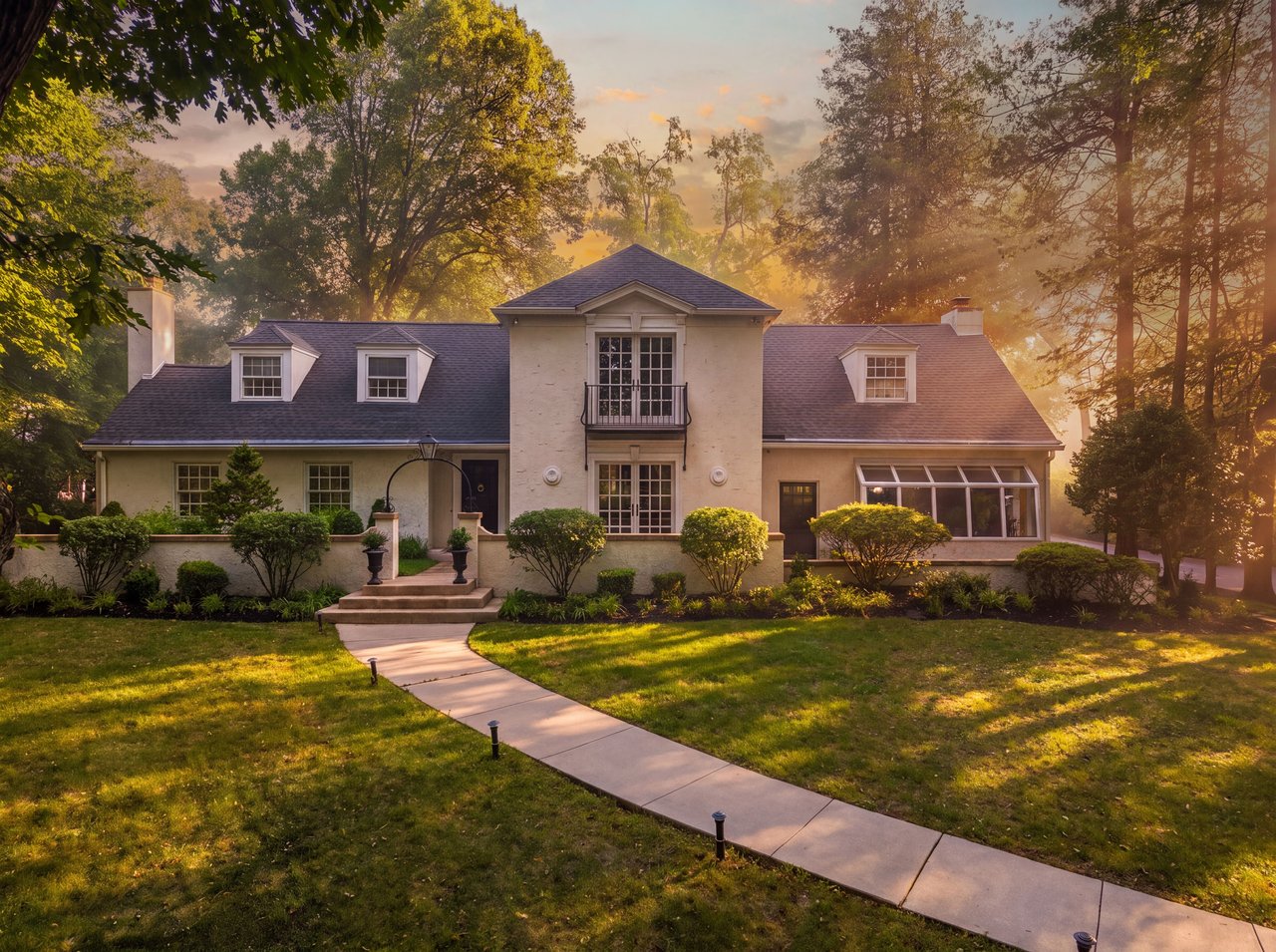
A timeless Penn Valley residence designed to be enjoyed for generations to come.
Listings
Story, Character, Scale & Location
Get assistance in determining current property value, crafting a competitive offer, writing and negotiating a contract, and much more. Contact me today.